As has already happened for many of my previous articles, the decision to write something about a historical equipment takes place when I can find a particularly rare sample that I have been looking for a long time and that is often linked to the life of some character who has left a significant footprint in the history and evolution of the underwater gear and diving experiences.
In this case this is the full-face mask produced in the USA by the Ohio Rubber Company (ORCO) of Cleveland OH. I have recently acquired a sample of this equipment in good condition (figs. 1-2-3-4-5- 6).
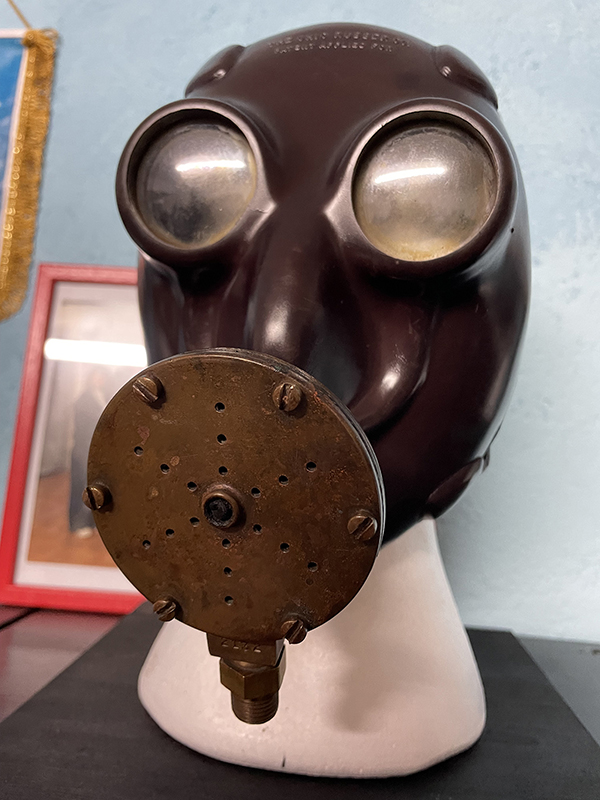
fig. 1 |
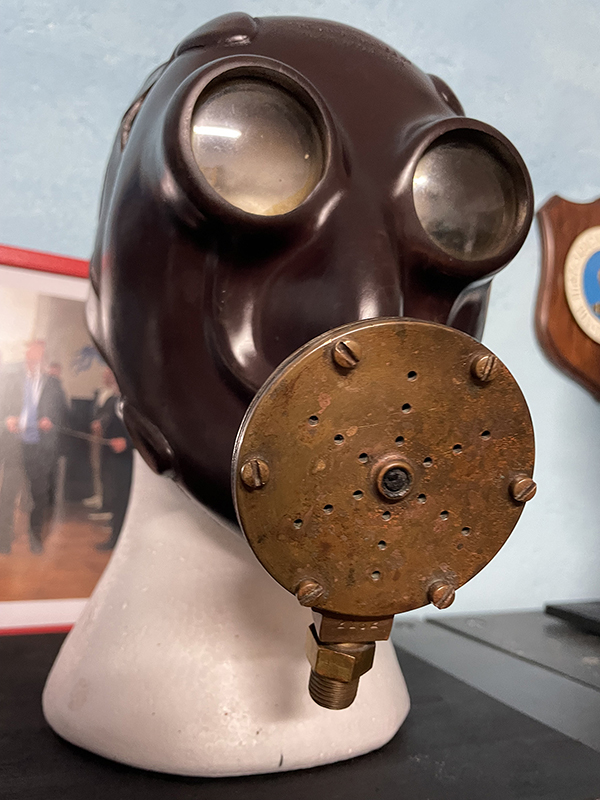
fig.2 |
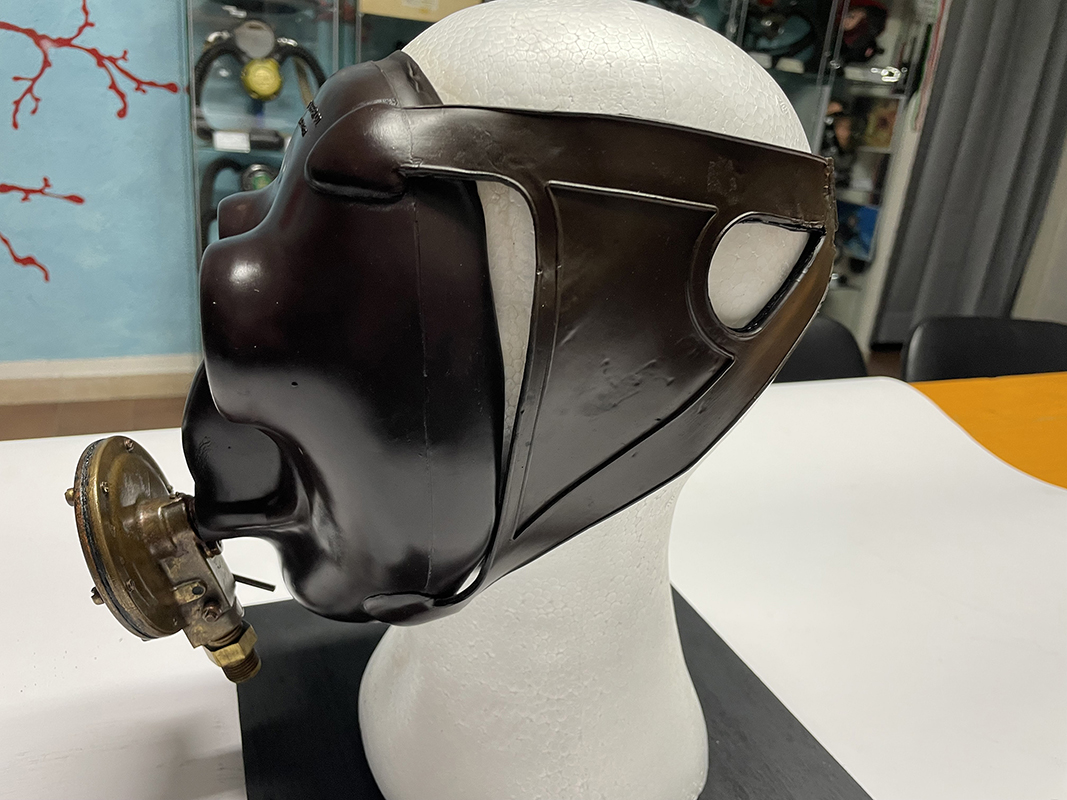
fig. 3 |
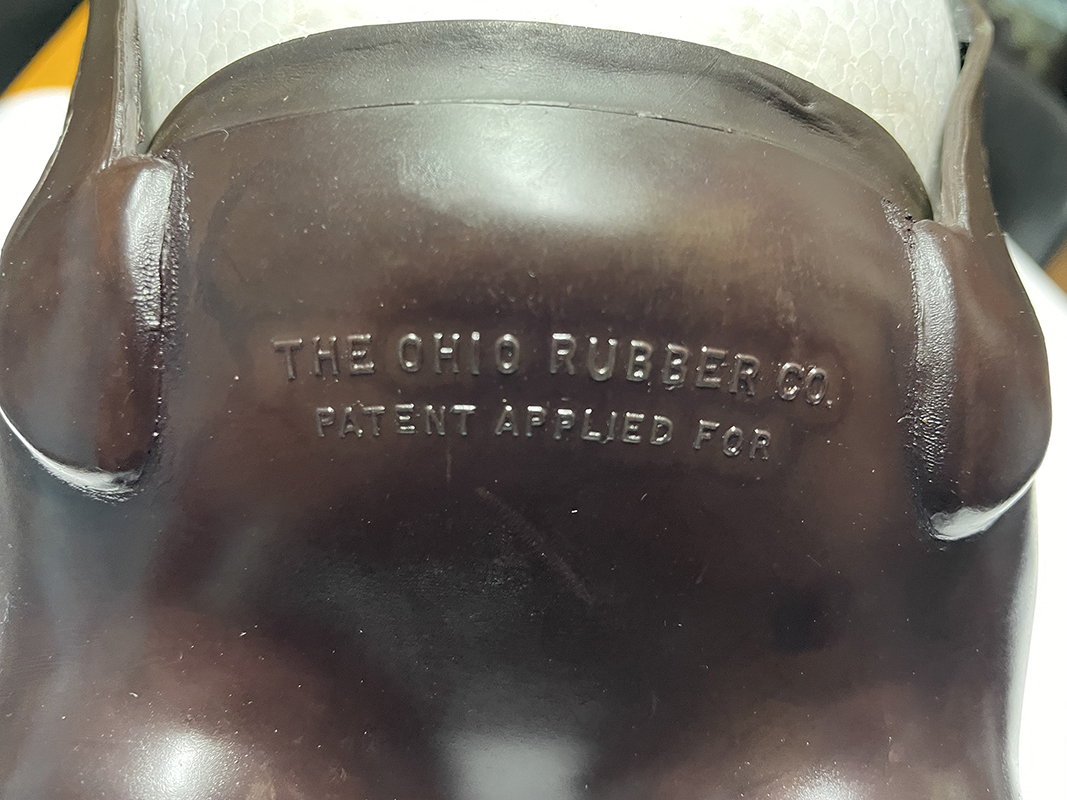
fig. 4 |
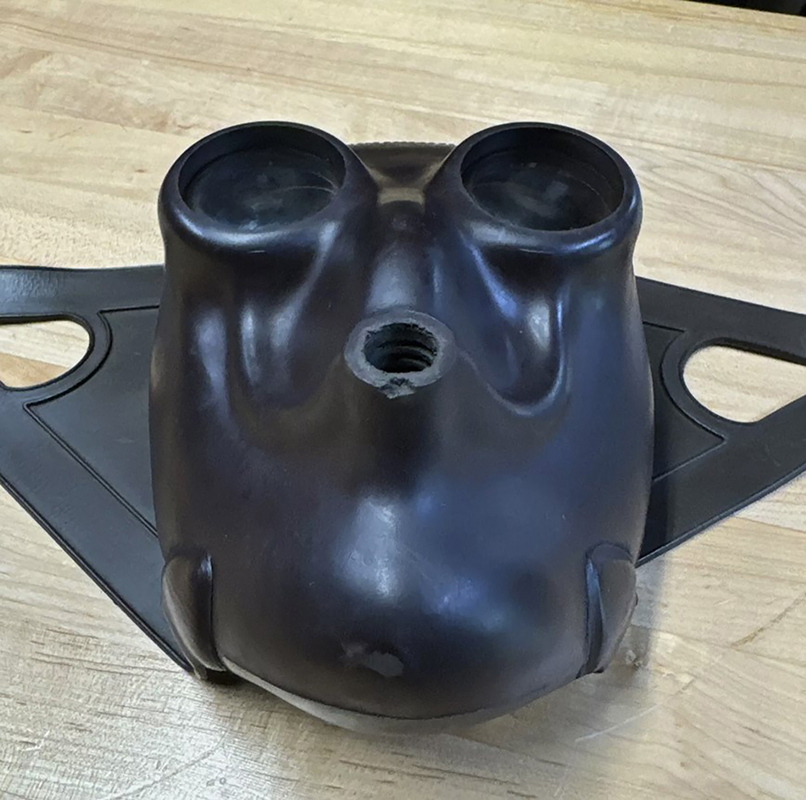
fig. 5 |
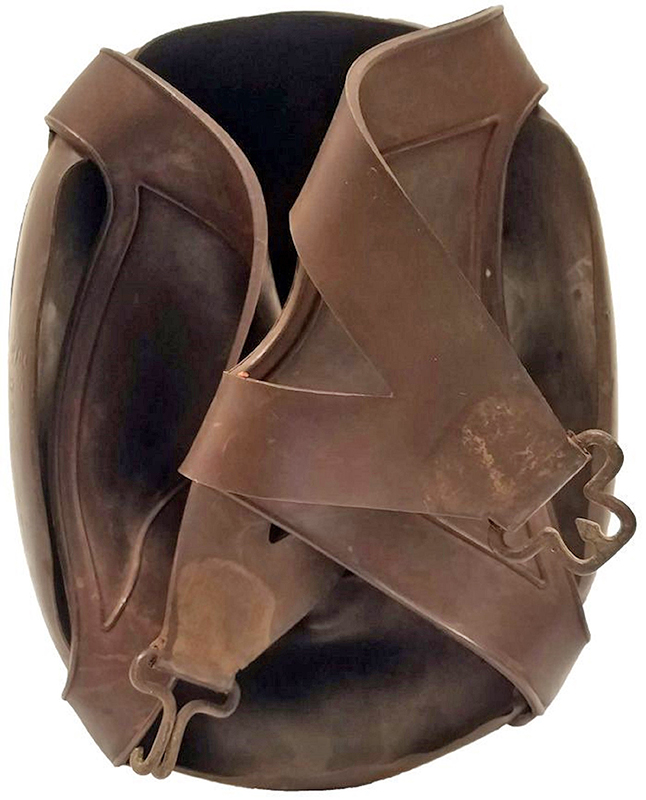
fig. 6 |
This mask was actually an integral part of a complete equipment designed for shallow water diving with surface air feeding, widely used by the U.S. Navy during the Second World War, especially in naval operations in the Pacific Ocean (fig. 7).
The main information relating to its main construction elements and the use of this device is contained in the technical manual TM5-9180 published by the U.S. War Department on 19 July 1943 (fig. 8).
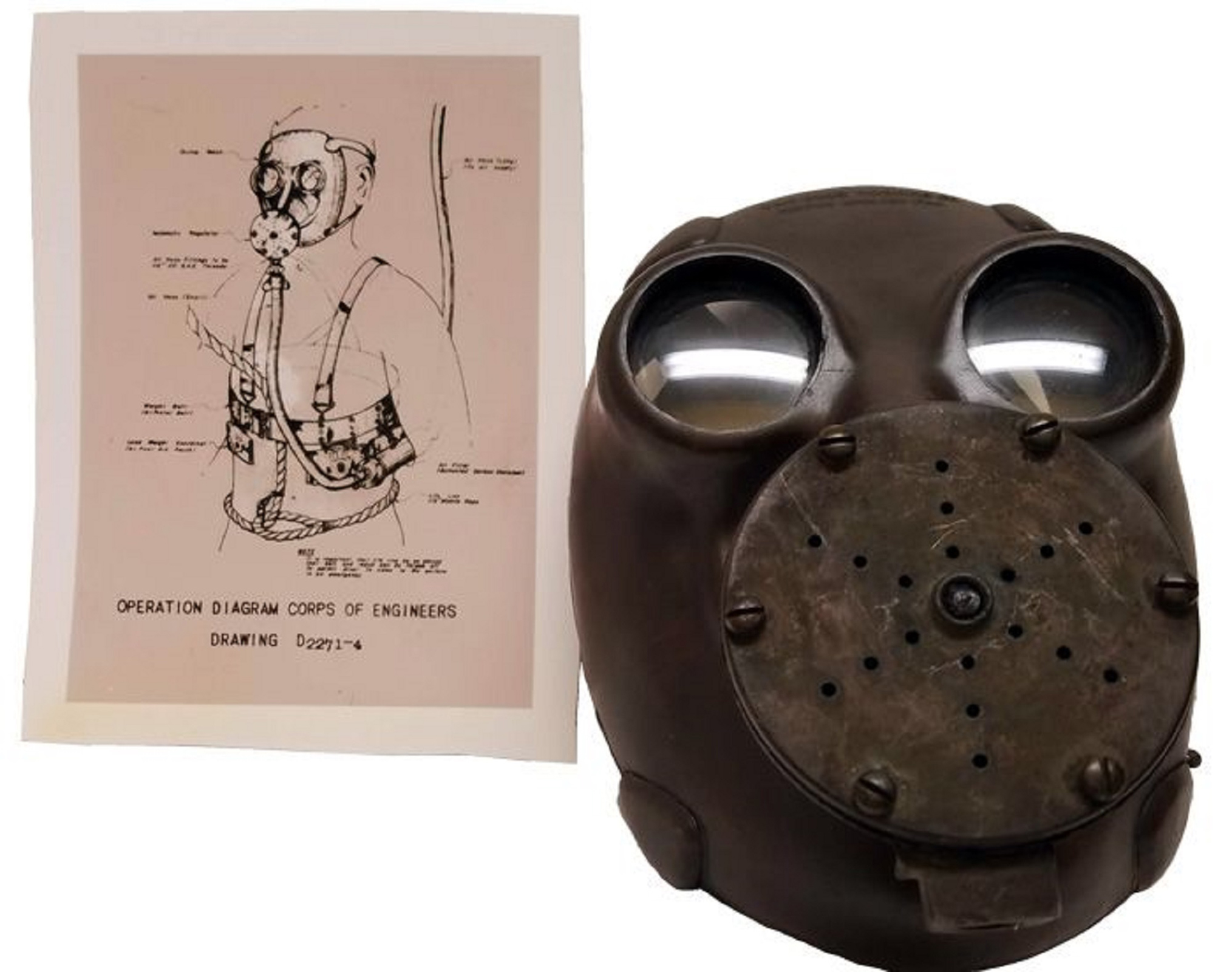
fog.7 |
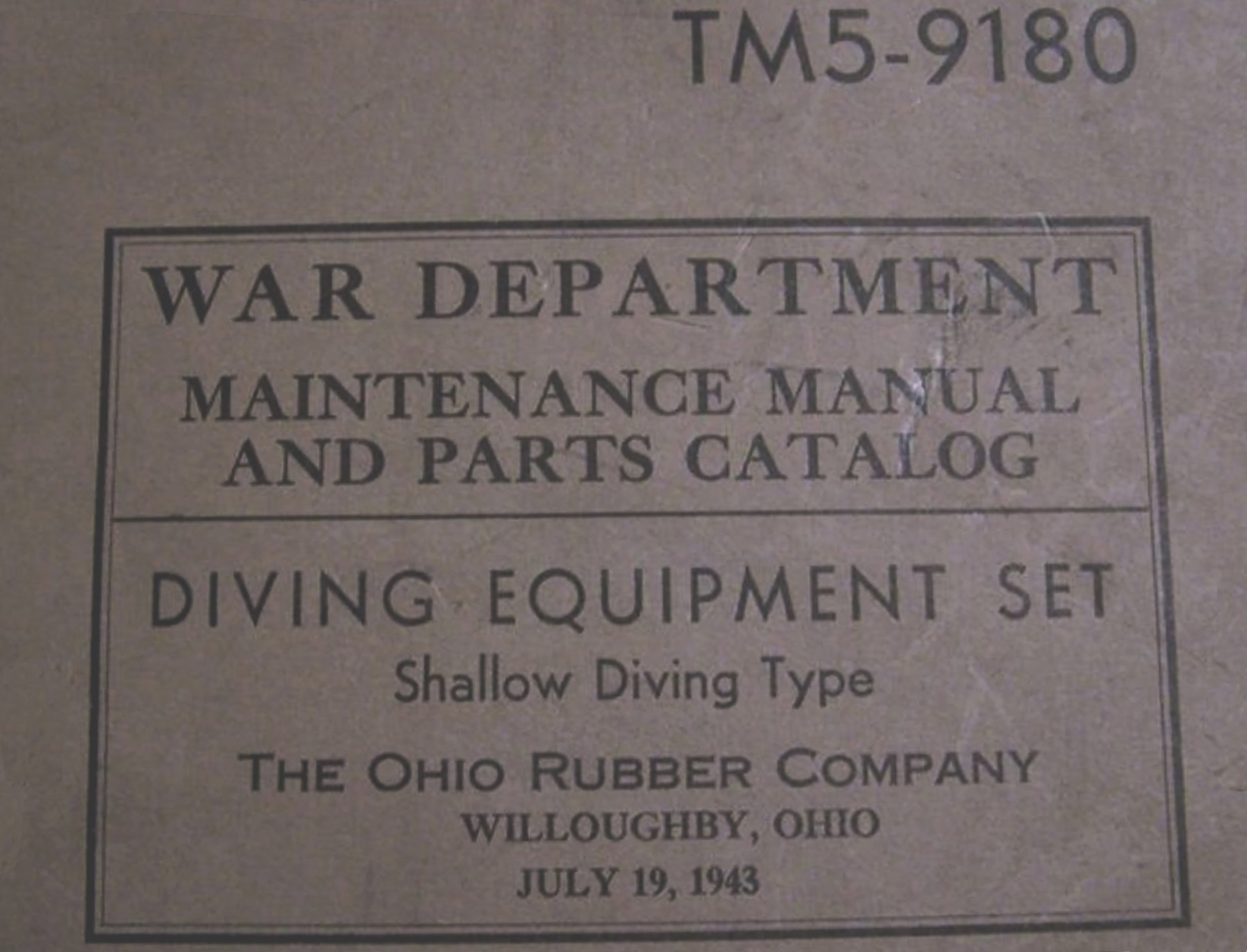
fig. 8 |
In addition to the full-face mask equipped with a pressure regulator mounted in front of the operator's mouth, the system consisted of a textile harness with a weighted belt to which a filter was connected for the purification of the air coming from the surface (fig. 9). The inlet of this filter was connected to the air hose feeding the system from the surface and its outlet to the pressure regulator. Due to the typical limitations in wartime and to the effective availability of compressed air sources for the supply of these equipment at the places of operations, the technical manual also included the possibility of feeding the underwater breathing system with the compressed air contained in the brake circuit of military vehicles and even in their tires (fig. 10).
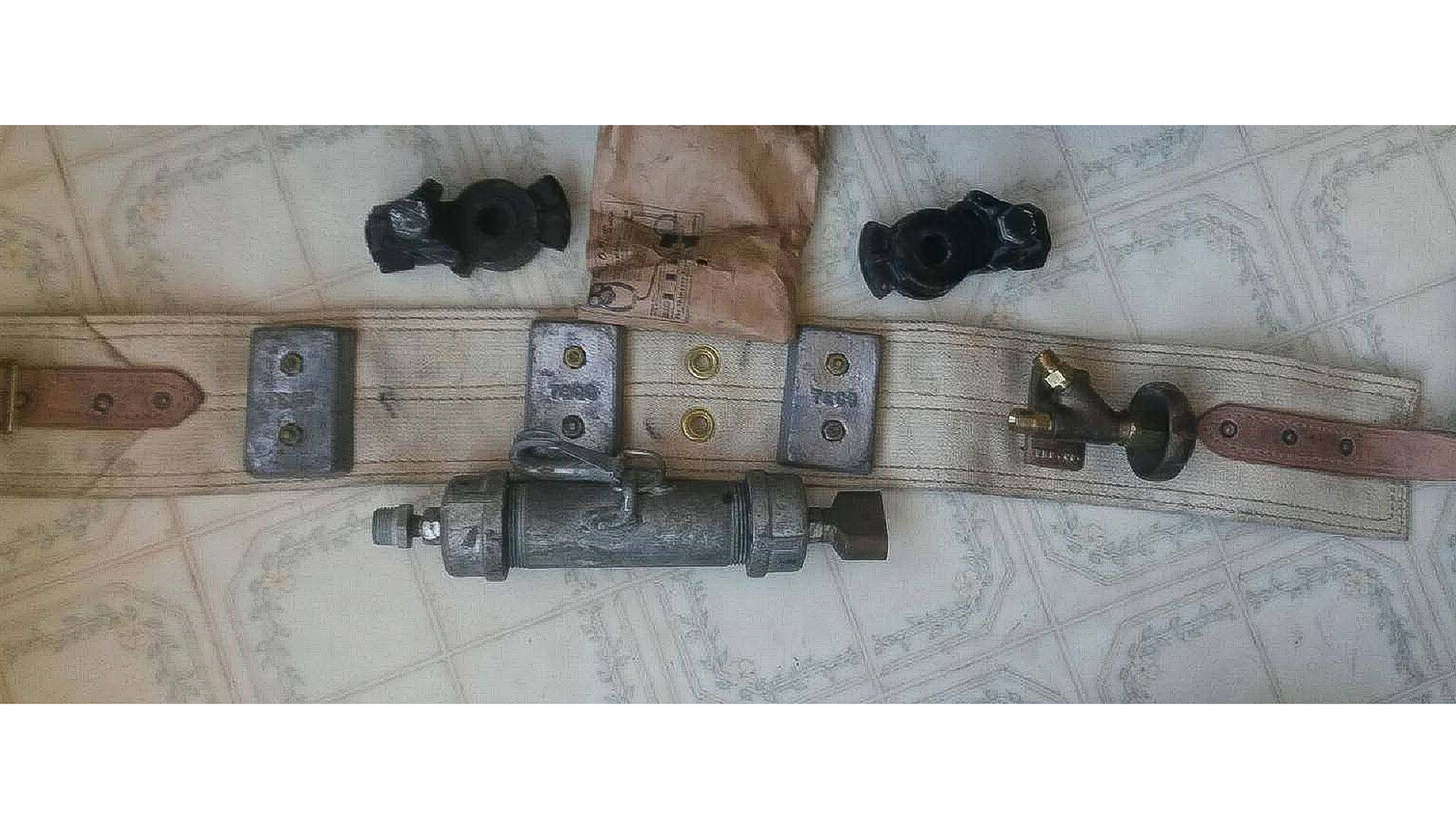
fig. 9 |
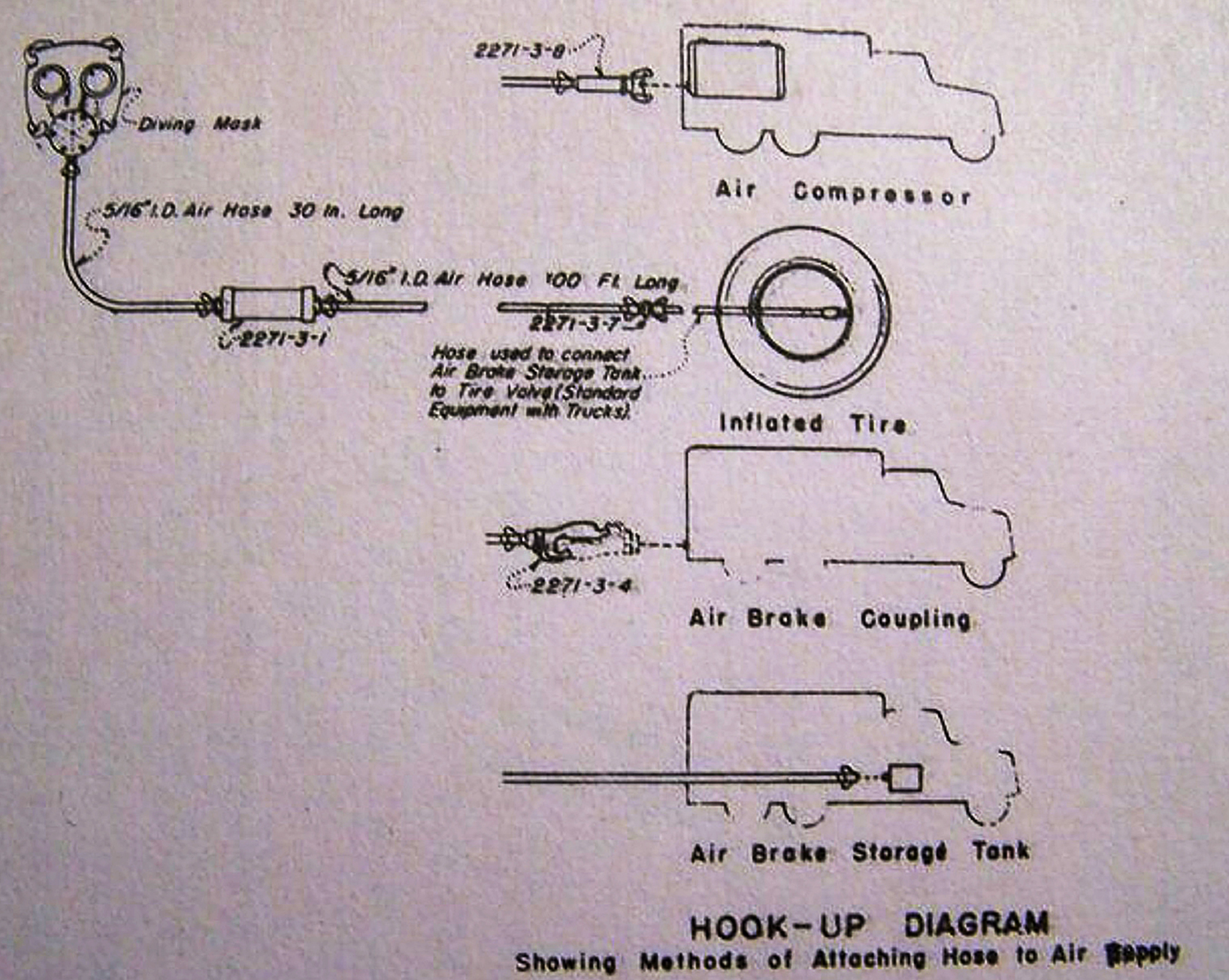
fig. 10 |
In the event of air supply from the surface in such emergency conditions, the filter was absolutely necessary to avoid intoxication by the operators who found themselves breathing contaminated air. When the power source provided the necessary standards of air cleanliness, the filter was not required.
The diving apparatus, worn in its standard configuration with the pressure regulator integrated into the full-face mask, is shown in figs. 11-12.
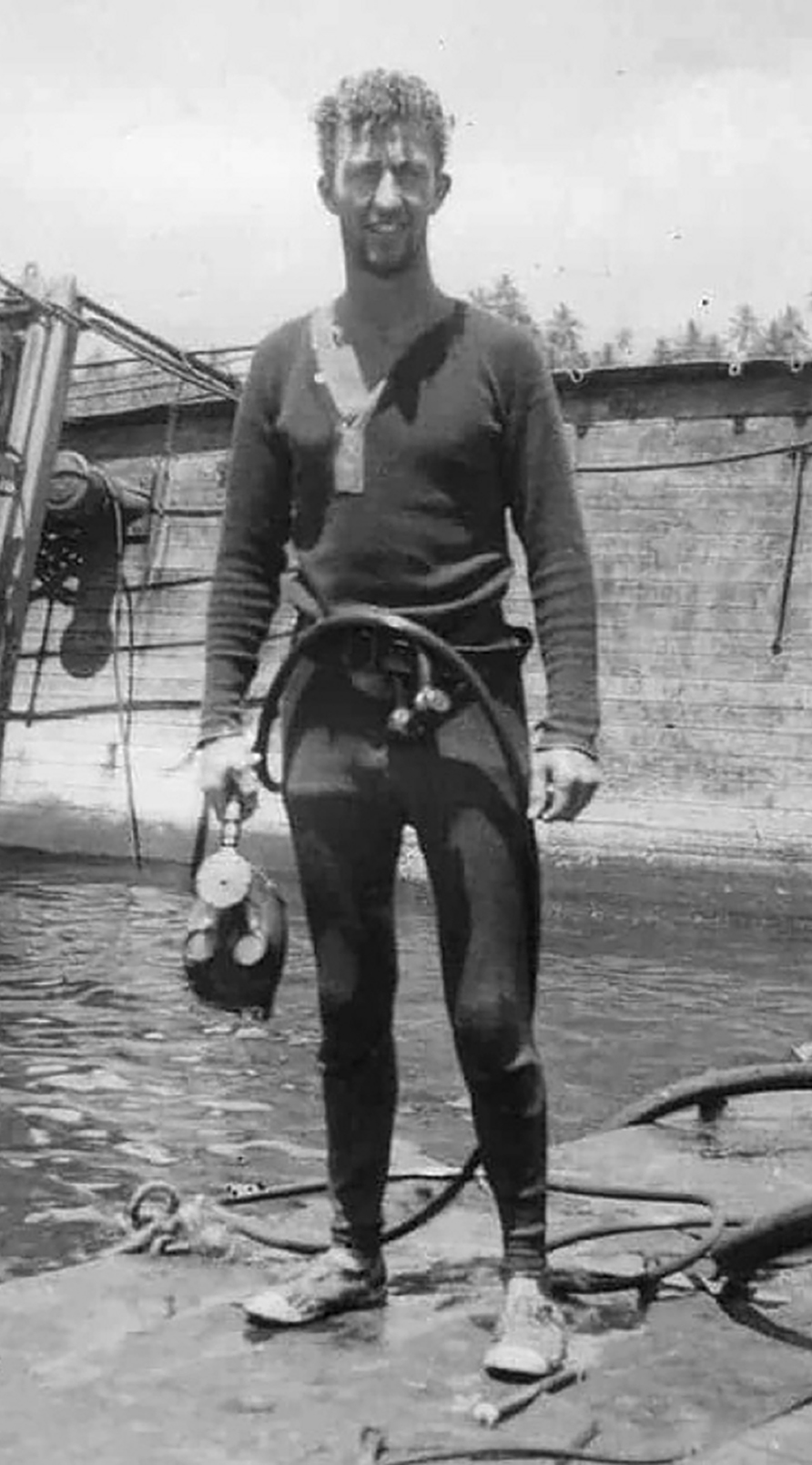
|
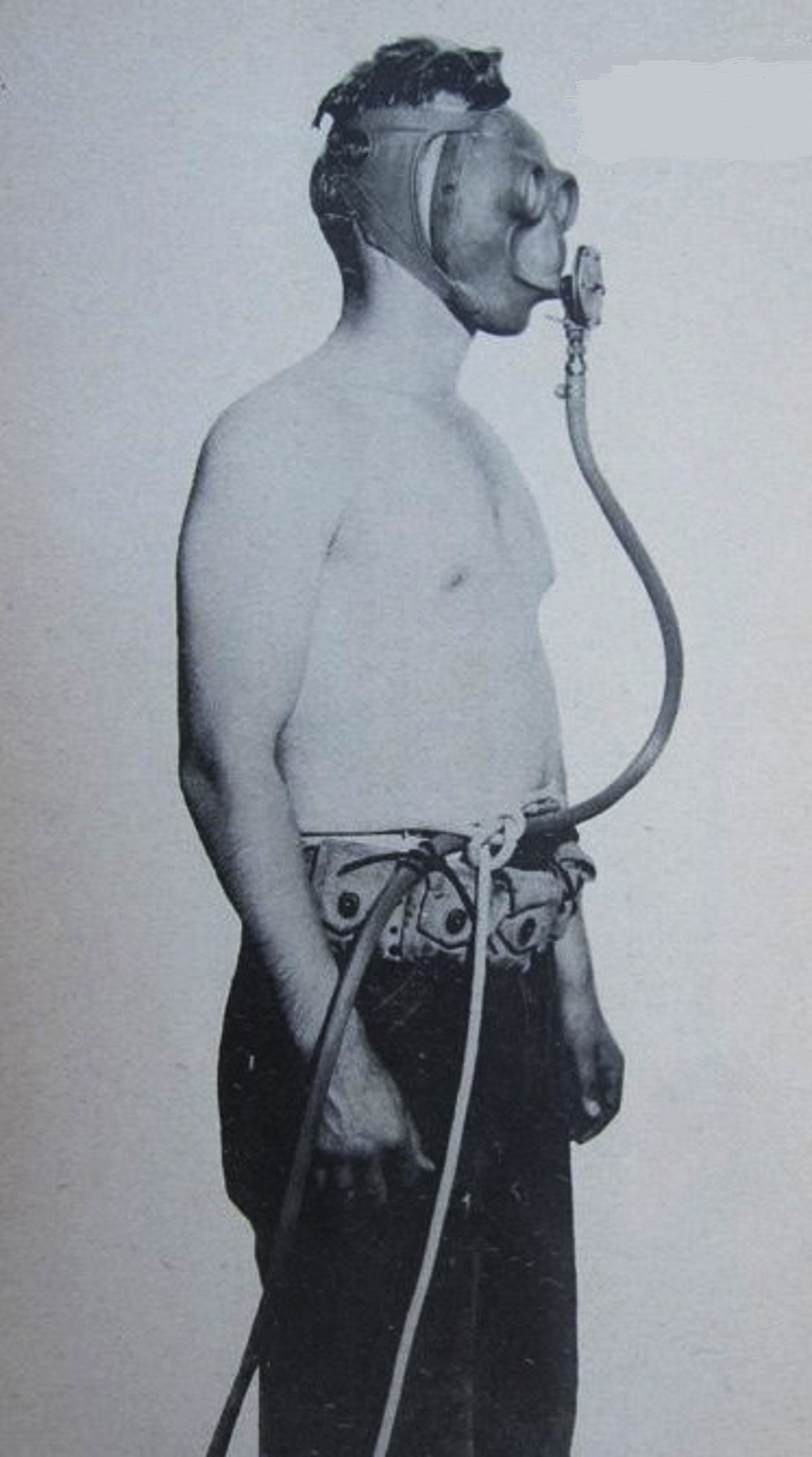
|
| fig. 11 | fig. 12 |
Sometimes, when hard hat diver type air pumps were used in which the air flow rate was regulated through the rotational speed of its drive wheel, the pressure regulator could be removed and replaced by a simple pneumatic 90° elbow adapter (figs. 13-14).
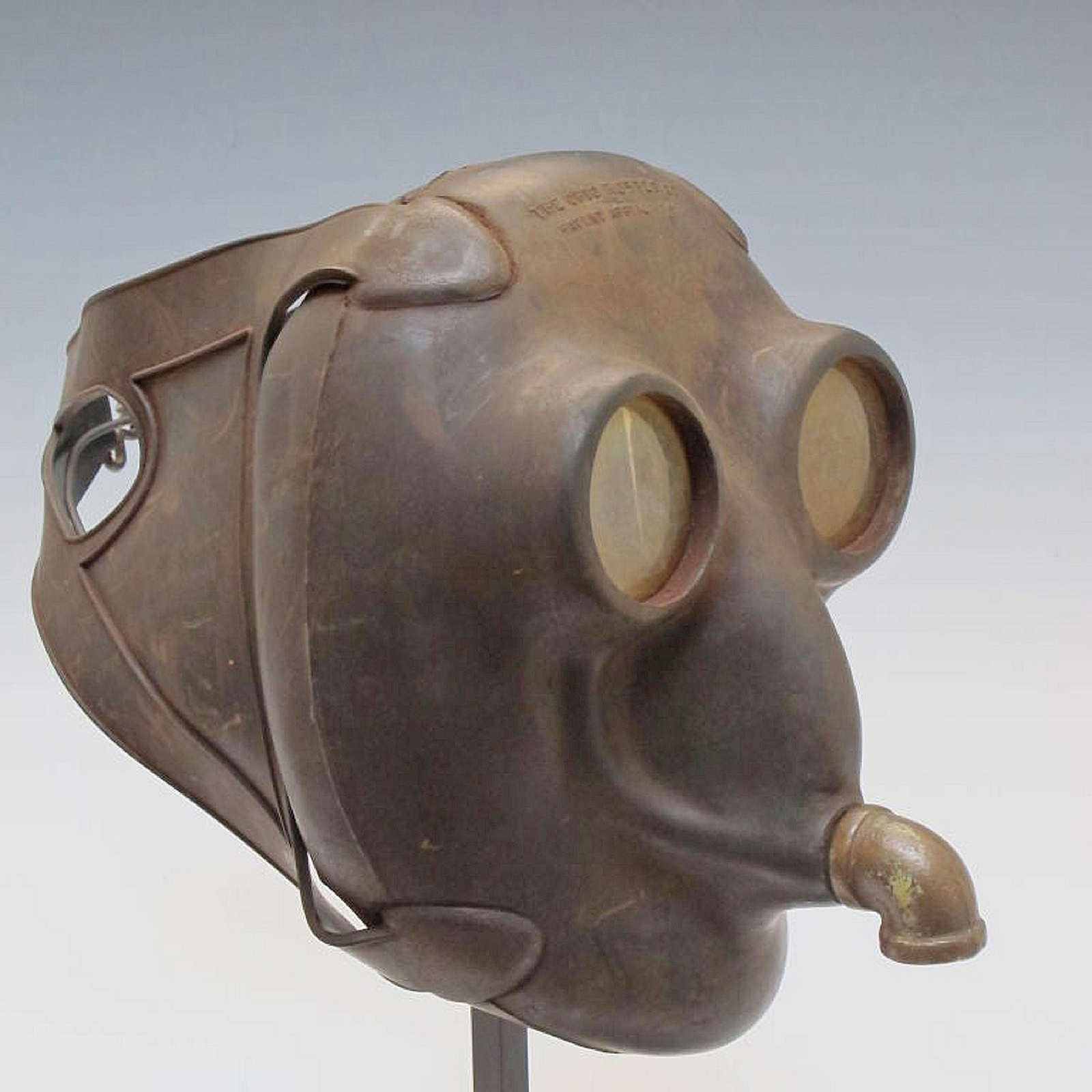
fig. 13 |
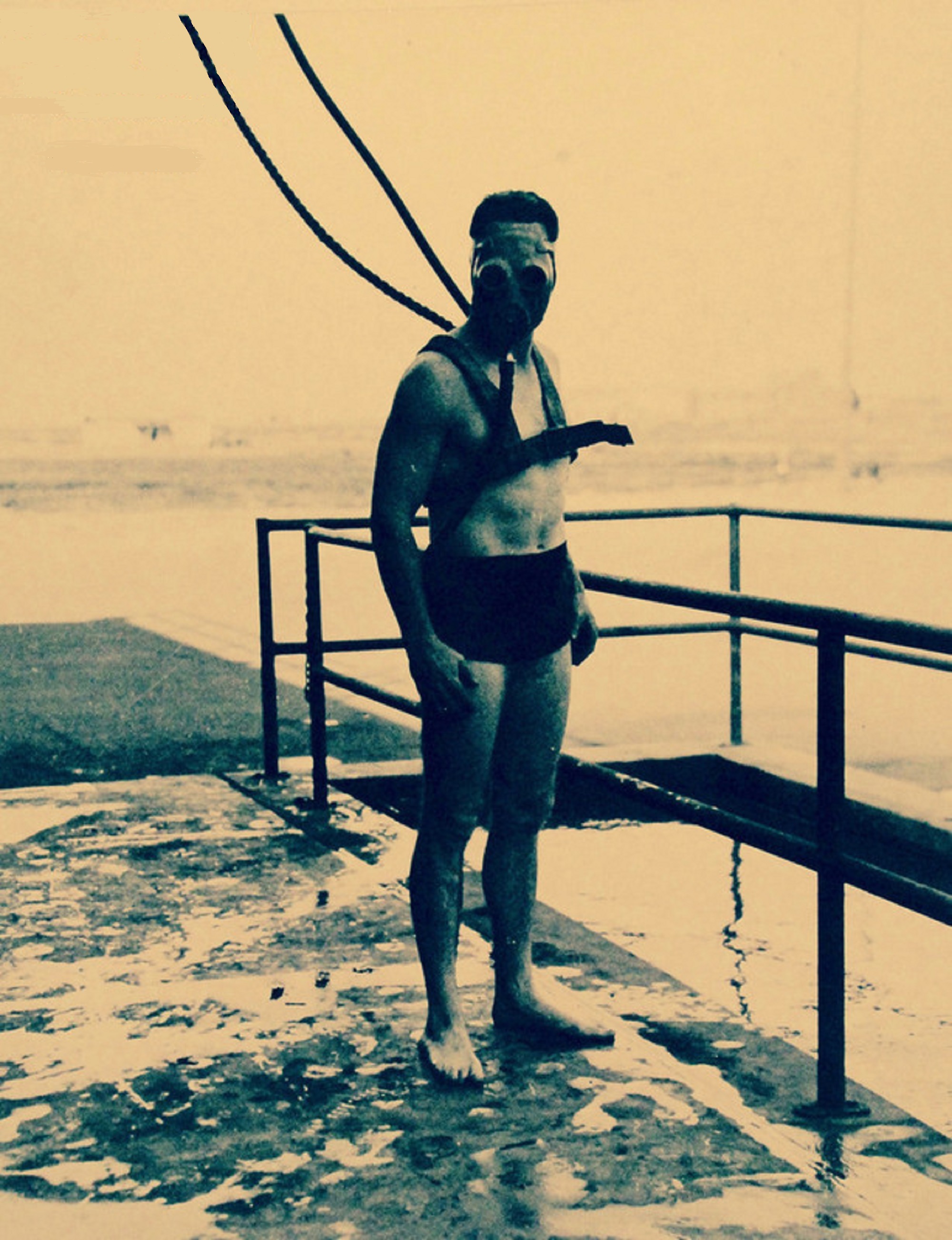
fig. 14 |
The great interest I had in this pretty ugly mask is due to the fact that it was connected to the life of Victor Berge (figs. 15-16), a Swedish adventurer born in 1891 in the small village of Ockelbo belonging to Gestrickland, a region located on the south-eastern coast of Sweden.
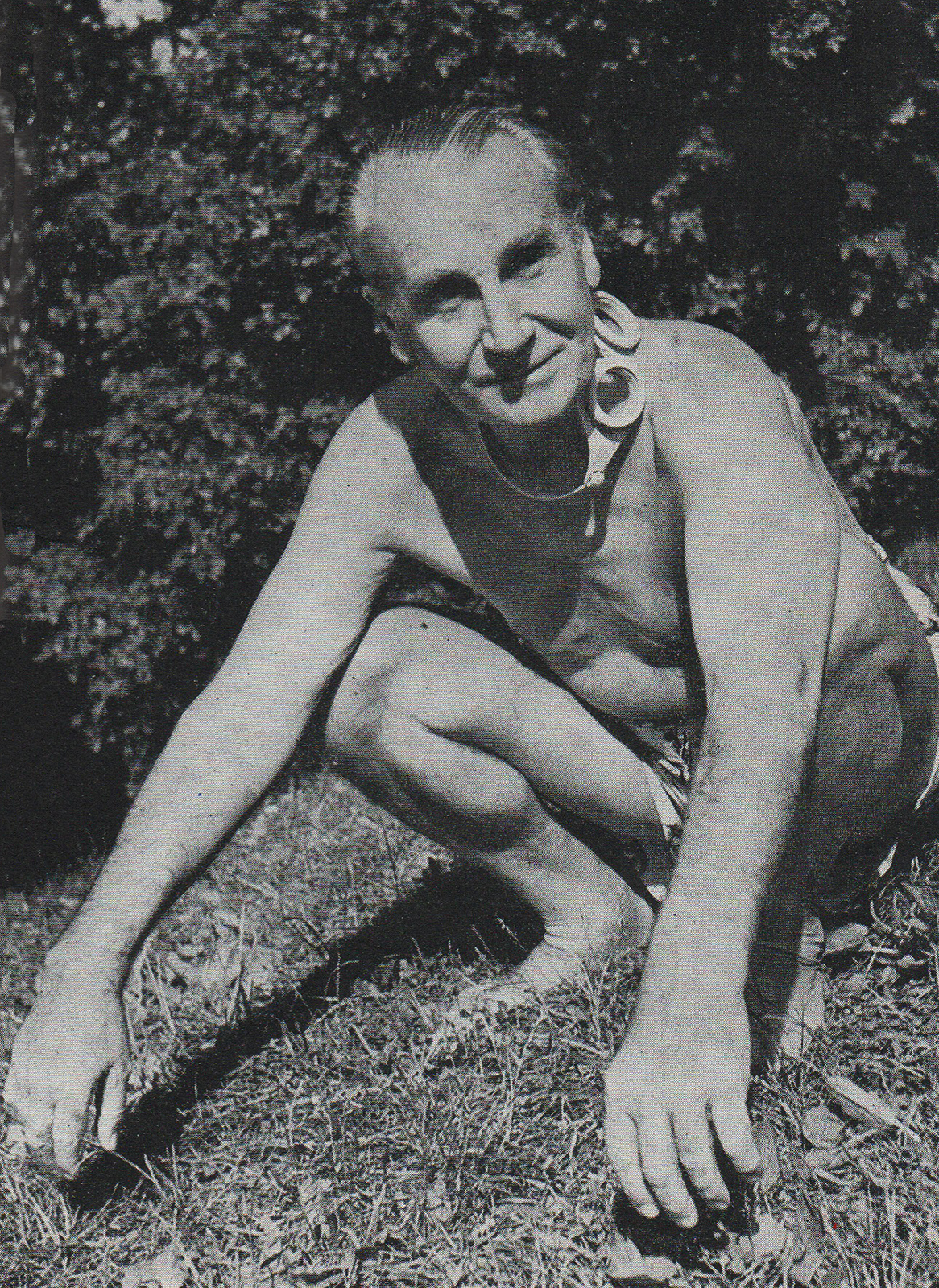
fig. 15 |
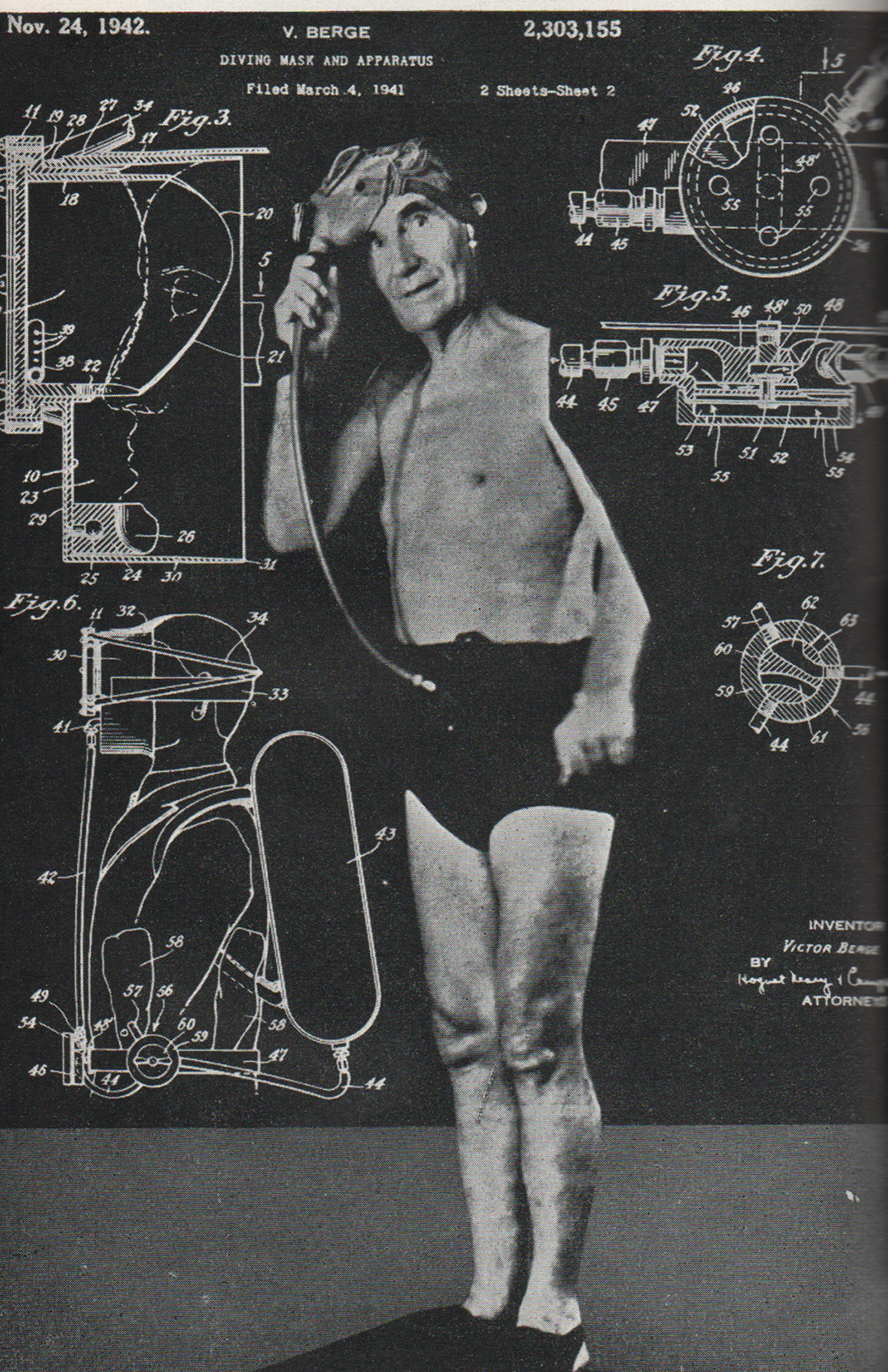
fig. 16 |
This man had definitely fascinated me after reading two of his autobiographical books a few years ago, "Pearl Diver: Adventuring Over and Under Southern Seas", published in 1930, and "Danger is My Life", published in 1954 (figs. 17-18). These volumes are quite rare but can still be found in some US bookshops.
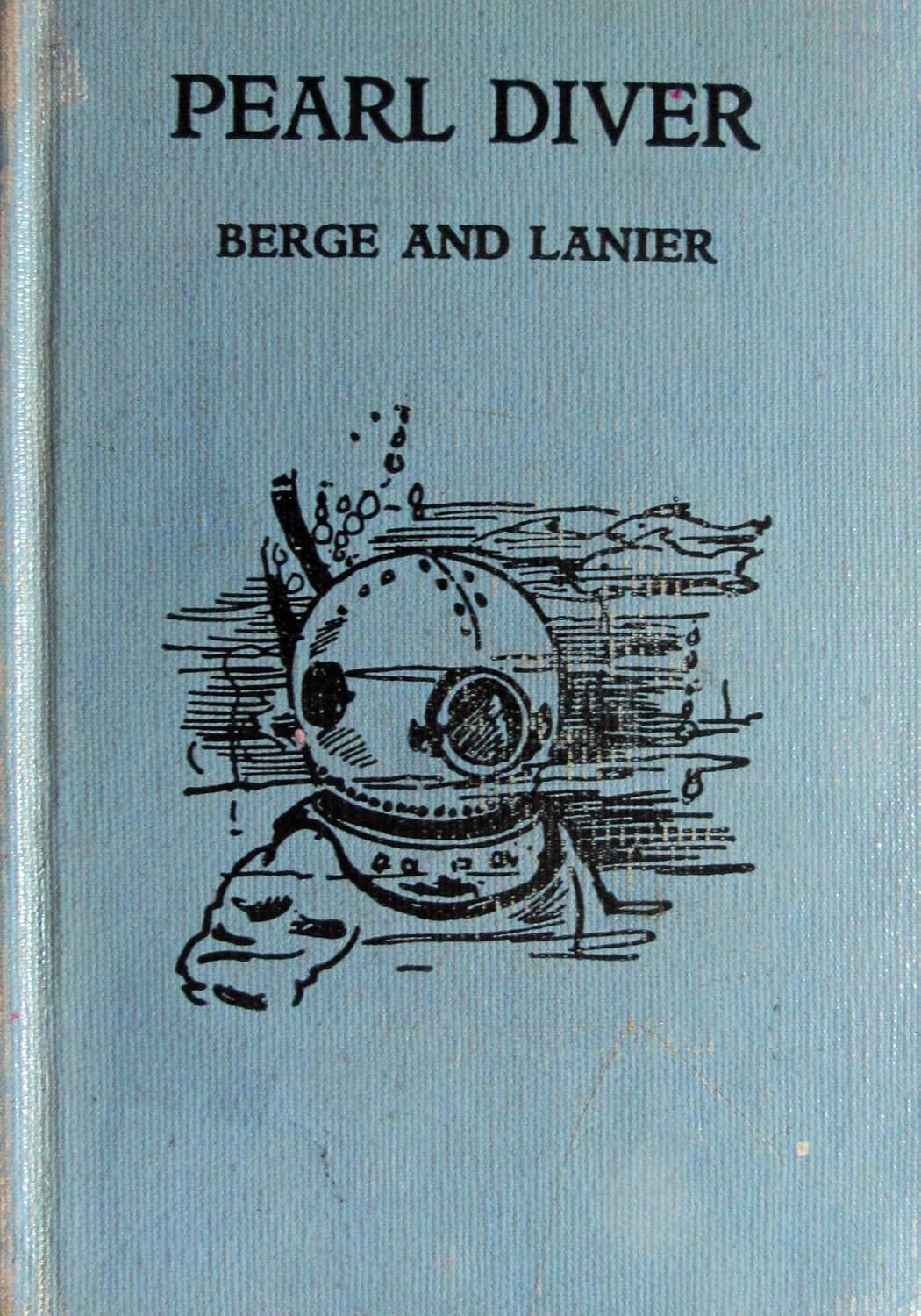
fig. 17 |

fig. 18 |
Orphaned at a young age and entrusted to tutors not at all interested in his future and his education, at the age of seventeen the young Victor tried his luck on the sea by embarking on transport ships first as a cabin boy and then as a sailor. During these first sailing experiences he also had the misfortune of being embarked on ships commanded by real torturers who often resorted to violent corporal punishment even for simple shortcomings or disobedience on the part of the crew. He was therefore forced to desert these ships and, after various adventures and situations that also took him to South Africa, where he lived for a time together with some of his fellow sailors who fled with him, feeding on what the nature of the place offered and also receiving some help from the farms of the hinterland. Finally he landed in Northern Australia.
Here he was hired by a man of Aboriginal origin who was paid by local landowners to clear large areas of forest. After some time, Victor became his partner and thanks to the earnings obtained from this activity but also from the sale of the skins of some animals he hunted (especially kangaroos), he embarked again with destination Indian Ocean. He landed on the island of Ceylon, where he was left without money and without job perspectives, so he was forced to clandestinely embark on a sailing ship bound for the Banda Islands in Indonesia. On board he met the owner of the sailing ship Chung-Ko, a wealthy Chinese merchant who trafficked in various merchandise in that part of the Indian Ocean. This meeting was fortunate for Victor as Chung-Ko saw in him great talent, enthusiasm and courage and soon became fond of him and treated him as if he were his own son.
The real turning point in his professional life came when had the opportunity to try out a complete hard hat diver's equipment that Chung-Ko had recovered from a semi-sunken pearl fishing boat. Although he had never seen such equipment, Victor was taken by enthusiasm and after a feverish work of a few days, he was capable to put it back into operation and use it on shallow waters. And here he began his career as a pearl fisherman, a career that would lead him to explore the main pearl banks of Indonesia, Australia and the South Pacific islands including Polynesia. In reality, much of the income was ensured by the harvesting of mother-of-pearl that was obtained from the shells of pearl oysters and which at that time was widely used in jewelry and button factories.
Very rarely did some oysters also contain a true pearl and the few that were harvested during the fishing season were sold at very high prices especially in the main European markets for this type of goods (Paris). In several years of pearl fishing, Victor realized that the classic hard hat diving equipment was not the ideal solution for this activity. In particular, the weight of the complete diving suit, the lack of mobility granted on the sea bottom, the need to have a large number of personnel for the maneuvering of the air pumps and also the excessive thermal protection offered by the diving suit in a very hot and muggy climate such as the one in which it operated, were the main limitations in the use of this device.
Berge then began to come up with some ideas on what an ideal solution for that type of fishing should look like.
The first significant experience in this direction matured during his first trip to New York in 1925 where, through his friends, he met Inglis Moore Uppercue, a wealthy American industrial businessman who agreed to finance his idea of building a small single-seater submarine capable of descending to a depth of 80 meters (depth at which most of the richest pearl banks were located) and equipped with a mechanical articulated arm maneuvered from inside the submarine capable of gathering pearl oysters from the seabed. This vehicle was called the "Sub-Explorer" and then familiarly renamed "Spook". The submarine was built and successfully tested in the Hudson River and then transported to Colombia.
Here it was subjected to the final tests on real pearl banks that demonstrated the poor effectiveness and mobility of the mechanical articulated arm at the maximum operating depths. Berge also proposed the submarine to the Swedish Navy which examined it and also attended a demonstration organized in Sweden in a frozen lake. Despite the positive outcome of the test, the Swedes declared themselves not interested in the invention and after some time the prototype of the submarine was transported to New Caledonia and finally scrapped.
Berge therefore fell back on another less demanding and more concrete idea that he was able to realize in 1941 when, taking advantage of another trip to the USA, he came in touch with Charles Sorensen, also of Swedish origin who was the production manager of the Ford Motors Company. Sorensen provided him with his engineers and his manufacturing organization and, in a short time, Berge was able to have 35 complete diving devices built, which he would then have transported to Indonesia for future pearl fishing seasons. Before leaving for the Indian Ocean, also had time to file a patent application for his diving apparatus, an application presented on March 4, 1941, which was then followed by the granting of the U.S. patent 2,303,155 on November 24, 1942 (figs. 19-20). It should be noted that at that time neither the automatic regulator nor the SCUBA system had yet been invented.
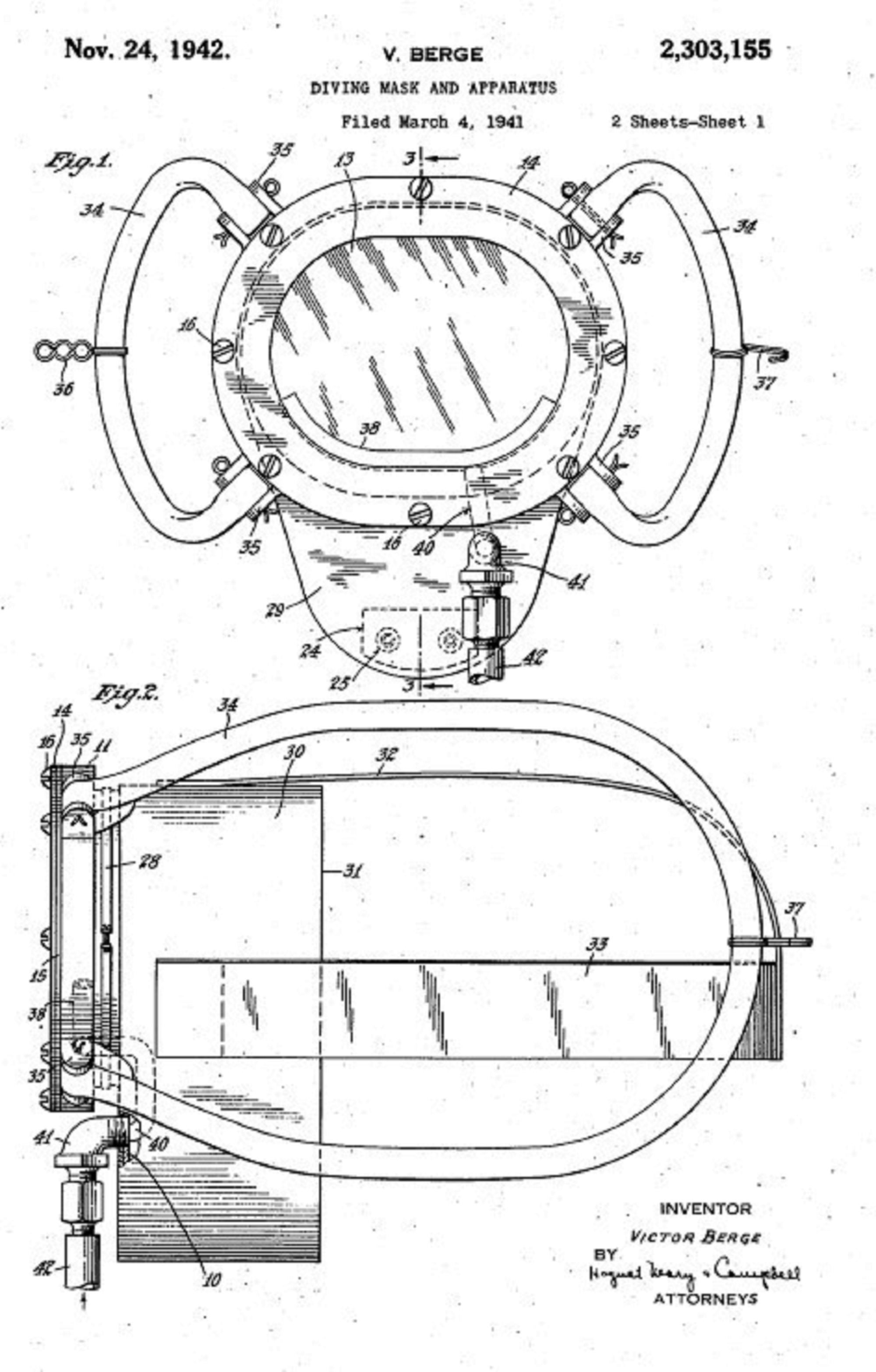
fig. 19 |
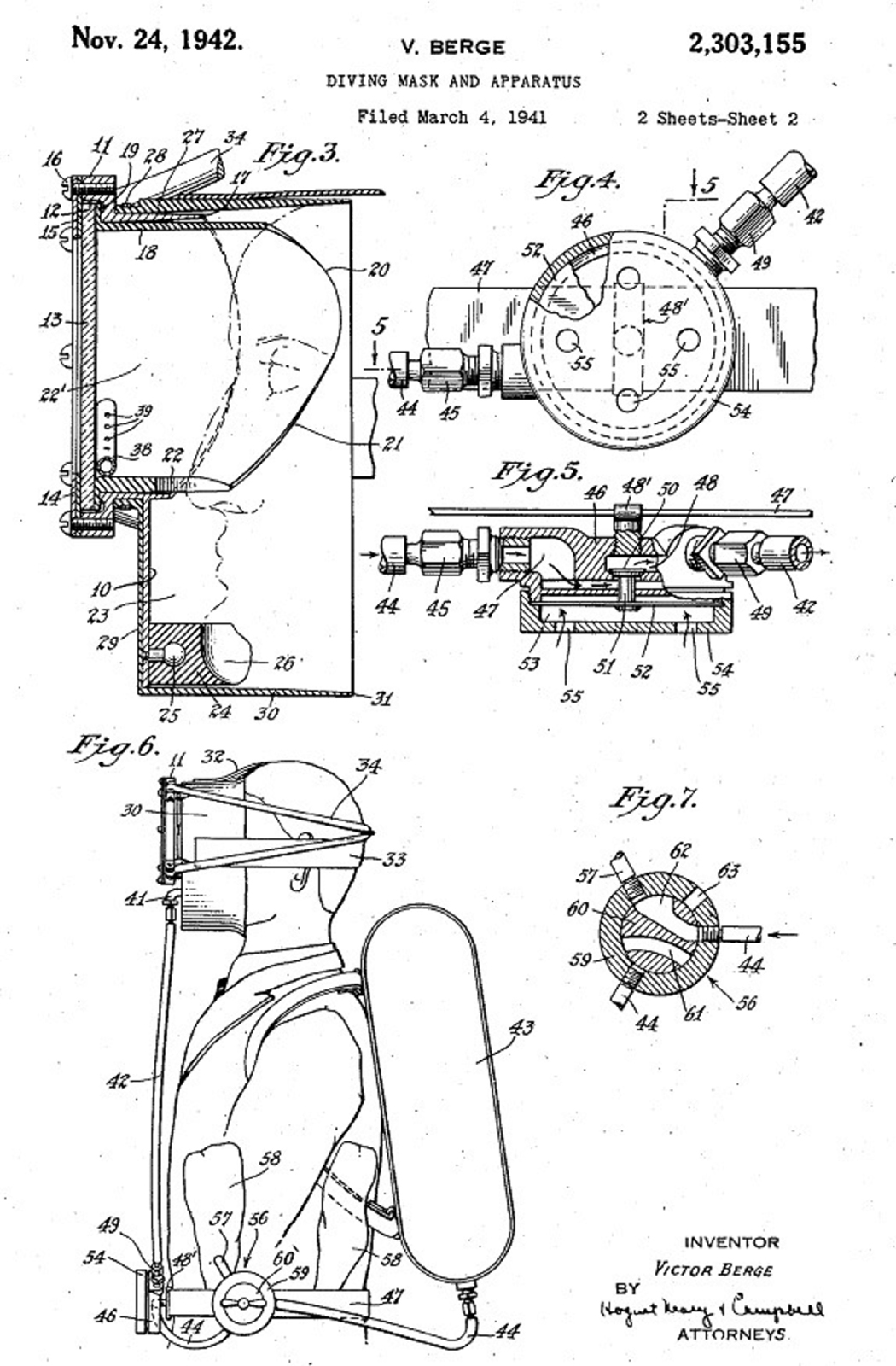
fig. 20 |
Before returning to Indonesia, his friend Sorensen convinced him to present his diving device to the U.S. Navy, which at that time was already working on the strengthening and improvement of its equipment intended for the support of ships in their bases but also in all cases in which it was necessary to operate quickly in shallow waters for recovery operations, repairs and demining. The Second World War was already in full swing in Europe and the United States was already considering their imminent involvement in military operations, also taking into account Japan's declared desire for expansion in the Pacific. And in fact, a few months later, exactly on December 7, 1941, the attack of the Japanese fleet on the U.S. Pearl Harbor naval base would definitively see the entry into the war of the United States as well.
The practical demonstration of the diving device was a success, at a point that the military declared that they wanted to study it further and perhaps improve it. Berge, however, wanted to return quickly to Indonesia to resume his activity as a pearl fisherman and therefore allowed the Navy to develop and modify the device according to its needs and then produce and use it in underwater operations at shallow depths. Of course, the Navy would then have secured Berge the rights to the production of the units.
Let's now analyze the main characteristic elements of Victor Berge's patent:
- The full-face mask was made up of assembling metal and rubber elements to which an oval-shaped front glass was connected. The load bearing structure of the mask was made of metal and the rubber parts were used to ensure the correct pneumatic seal with the operator's face. Inside the mask was placed an air ejector with small nozzles that prevented the fogging of the internal glass of the mask. Excess air flow and air exhaled by the diver were discharged through the edge of the mask itself.
- The device was designed to be self-contained without the need for air feeding from the surface. In this regard, it was equipped with a tank having a good capacity and provided with a connection valve installed in its lower part.
- The inventor had also thought of something that could remove the well-known limitations of the classic hard hat diving suit, namely those of always having to move walking on the seabed. He had therefore thought of adding two rubberized canvas bags that could be inflated or deflated while submerged using the compressed air of the tank. These two bags were connected on each side of the weighted belt of the diving device
- A special three positions switch was also connected to the weighted belt. Depending on the position of the switch, the following three functions could be activated:
- Air feeding the full-face mask
- Bags inflating
- Bags deflating
- The device was also equipped with a pressure regulator, also mounted on the weighted belt, derived directly from those used in the gas feeding systems of oxyacetylene welding devices. In this case, the handwheel for setting the working pressure was eliminated and the pressure adjustment took place automatically thanks to the holes made on the front of the regulator, holes that connected the regulator diaphragm with the external environment.
Of the original version of this device built according to the provisions of the patent I have found only one image on the Internet (fig. 21).
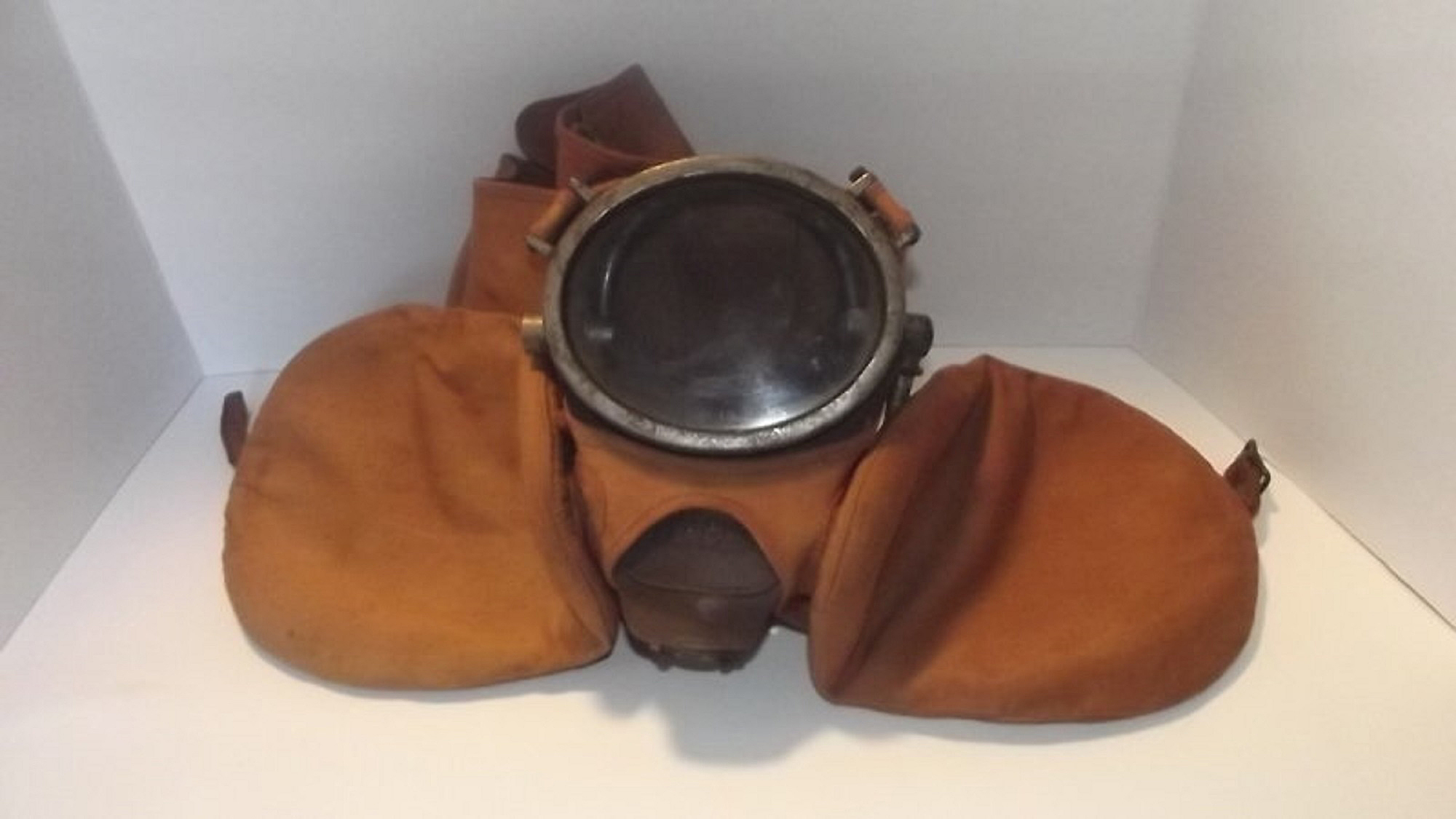
fig. 21 |
The U.S. Navy, while recognizing the general validity of the device, introduced substantial changes that characterized the production units.
These modifications were in line with what in those years was considered the standard configuration for diving equipment of this type intended for military underwater operations on shallow waters and used as an alternative to hard hat diving systems.
In fact, in order to react to the scarcity of equipment and personnel suitable for the use of hard hat diving equipment during the war period (the training of military divers took a long time and produced few certified divers even for the severe standards in the personnel selection), very simple solutions were proposed with the conversion of gas masks for underwater applications and the use of air hoses fed from the surface (figs. 22-23).
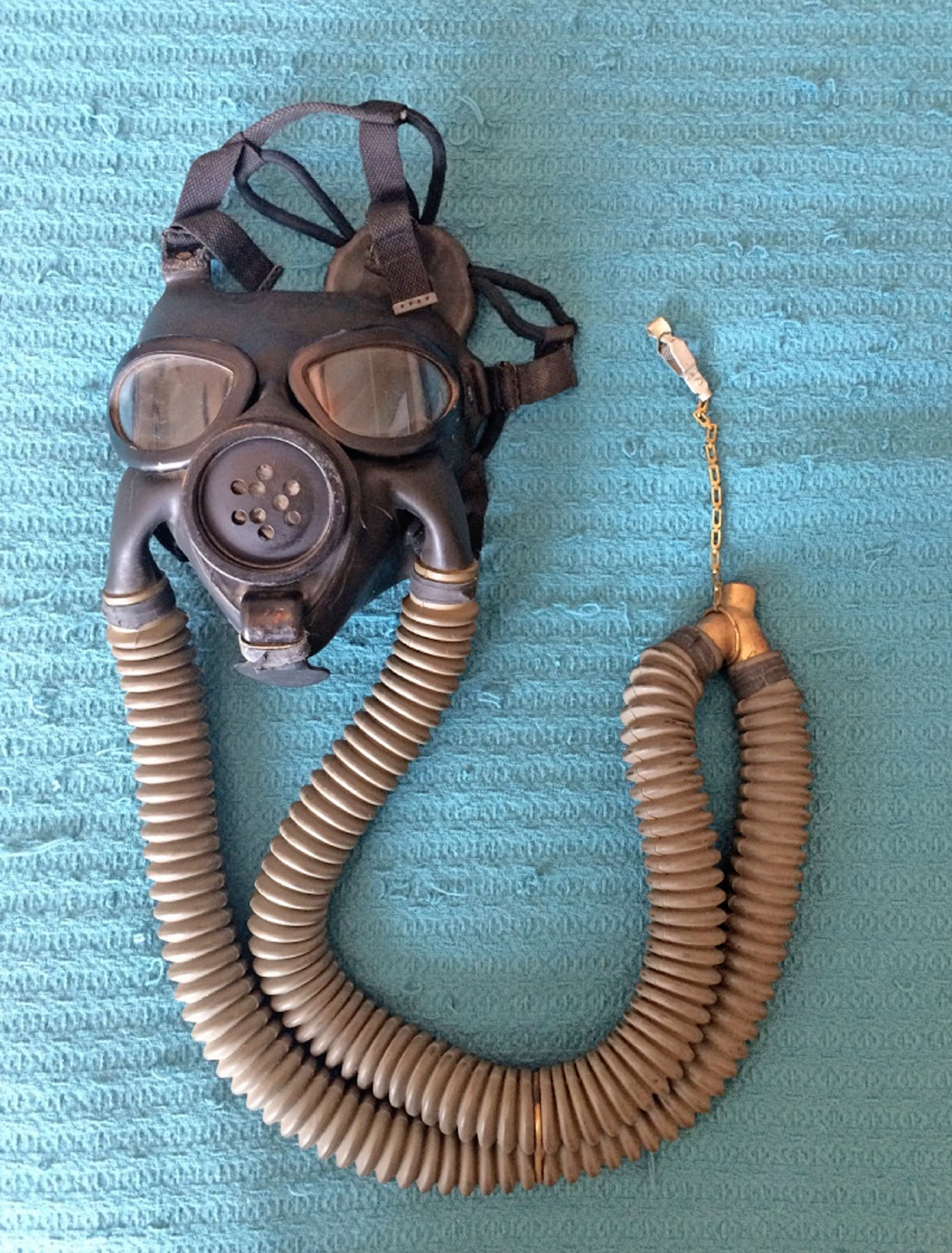
fig. 22 |
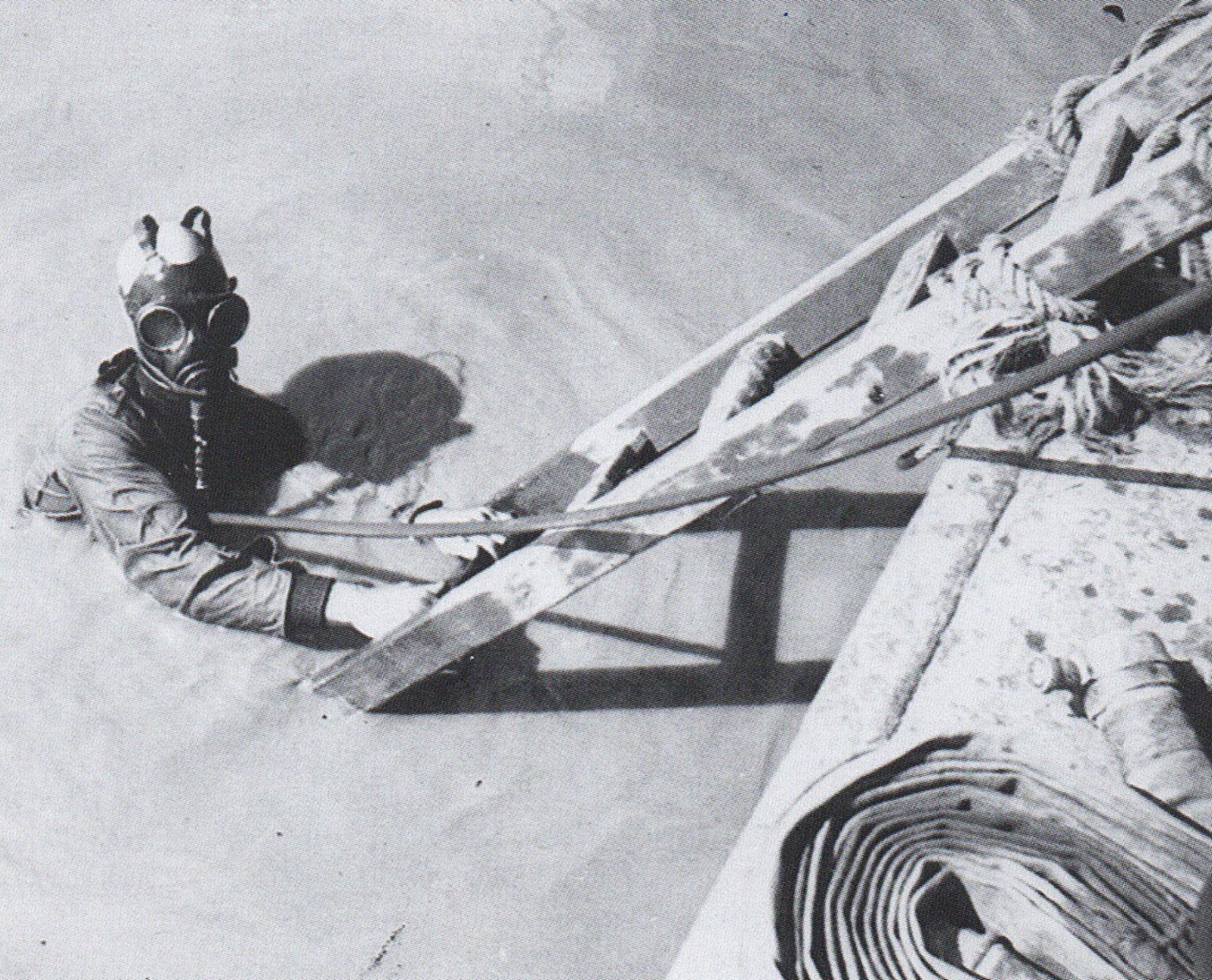
fig. 23 |
The changes made to Berge's original device during the production phase can be summarized as follows:
- Replacement of the composite rubber and metal full-face mask, of rather complex construction, with a binocular rubber mask which at that time was the standard configuration also used in the building of military gas masks. However, the capability to prevent fogging of the window glasses was maintained thanks to the provision of two ventilation channels that connected the two windows with the air intake duct inside the mask (figs. 24-25).
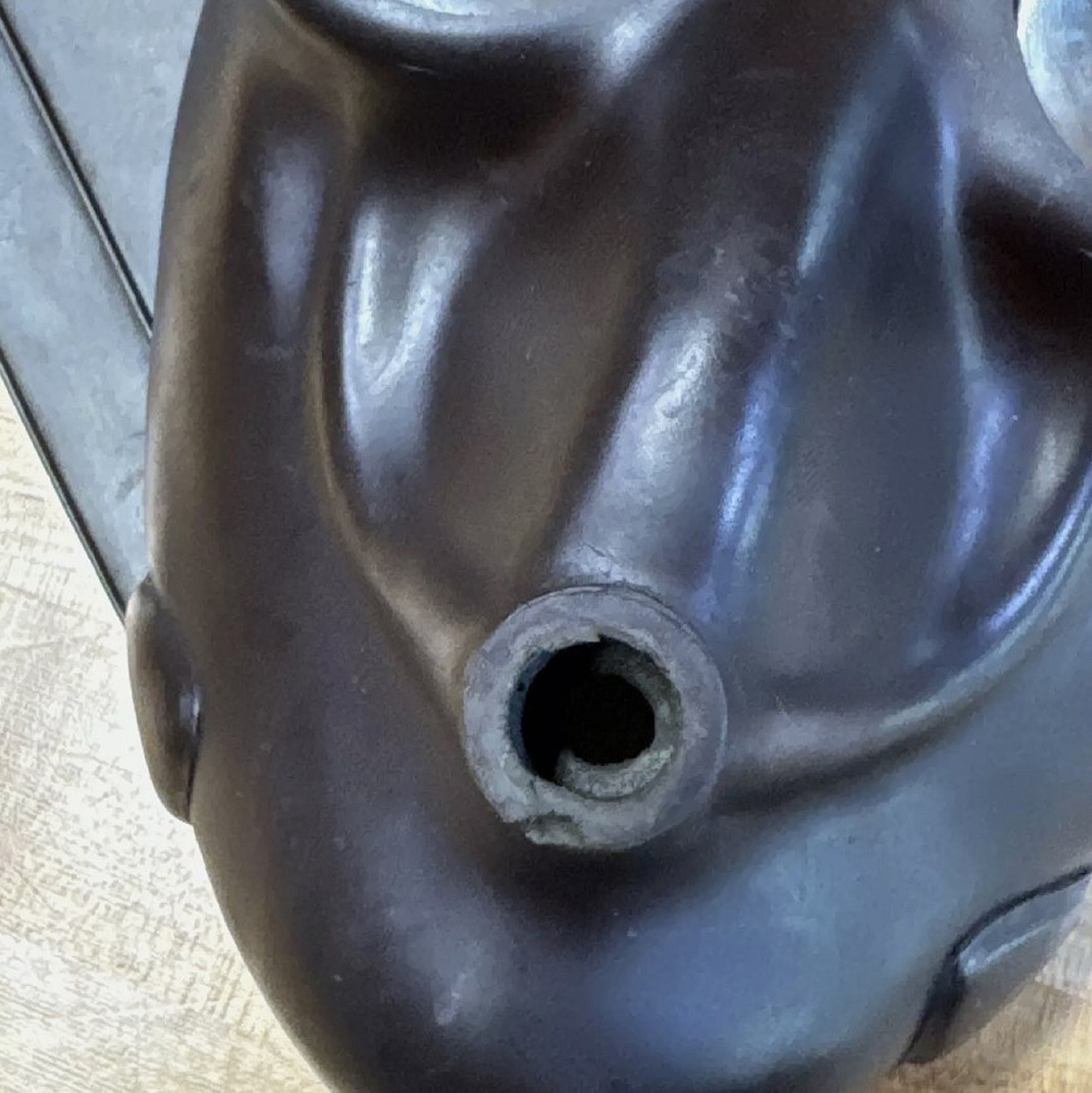
fig. 24 |
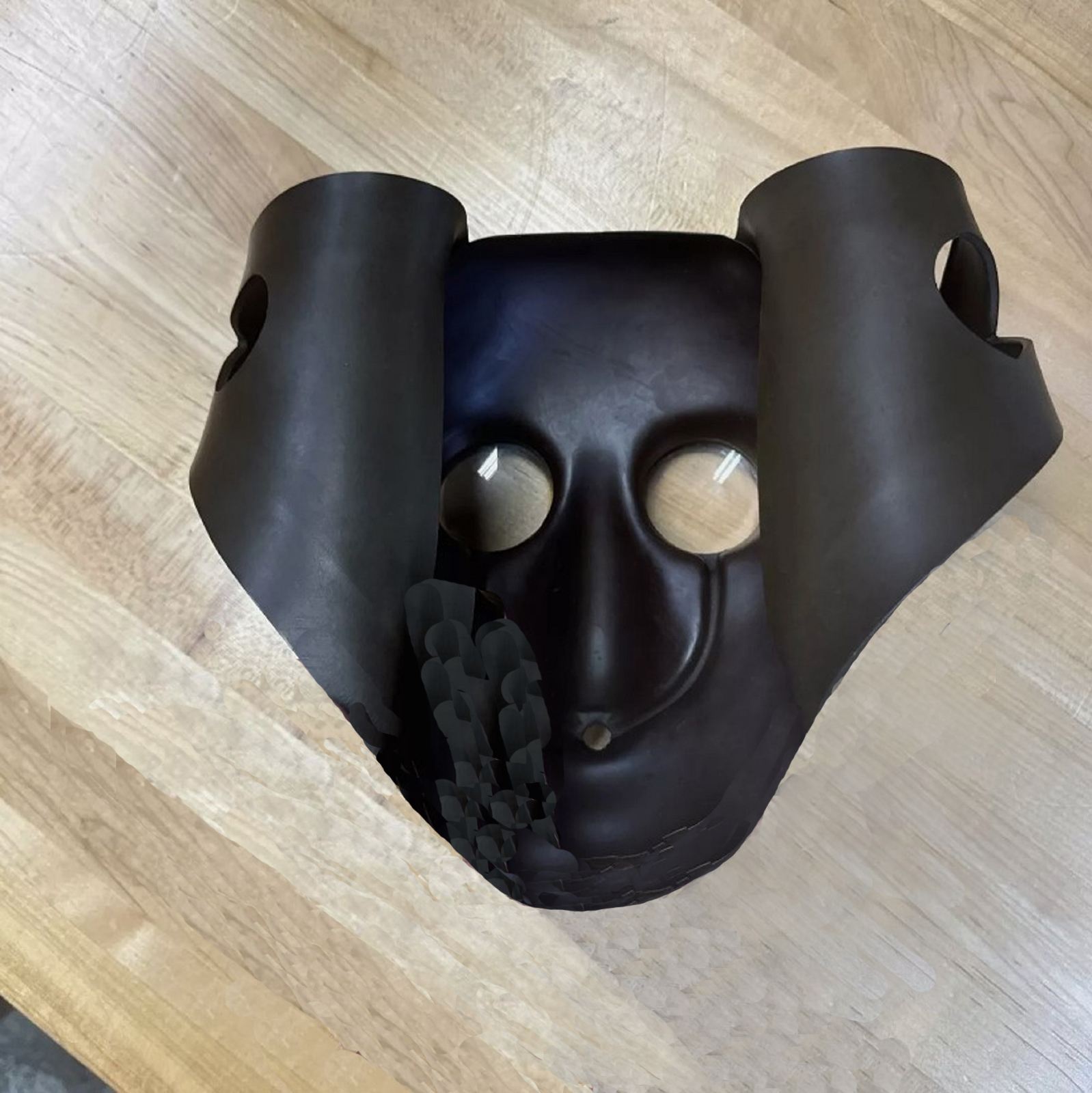
fig. 25 |
- Spostamento del regolatore di pressione dalla cintura alla parte anteriore della maschera. Nella parte posteriore del regolatore veniva poi inserito un piccolo rubinetto a due posizioni per interrompere il flusso di aria verso la maschera quando questa non era indossata dall’operatore (figg. 26-27).
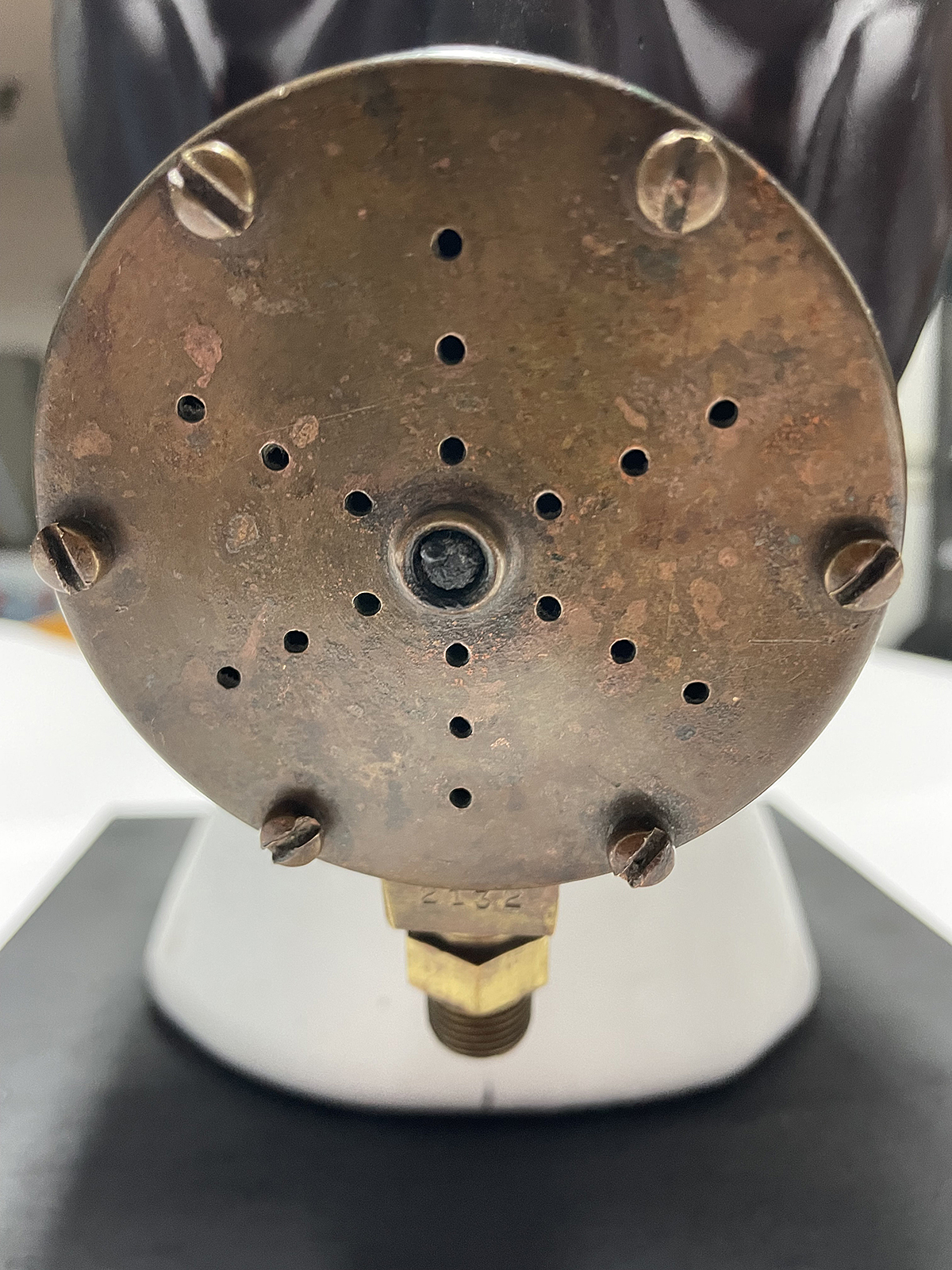
fig. 26
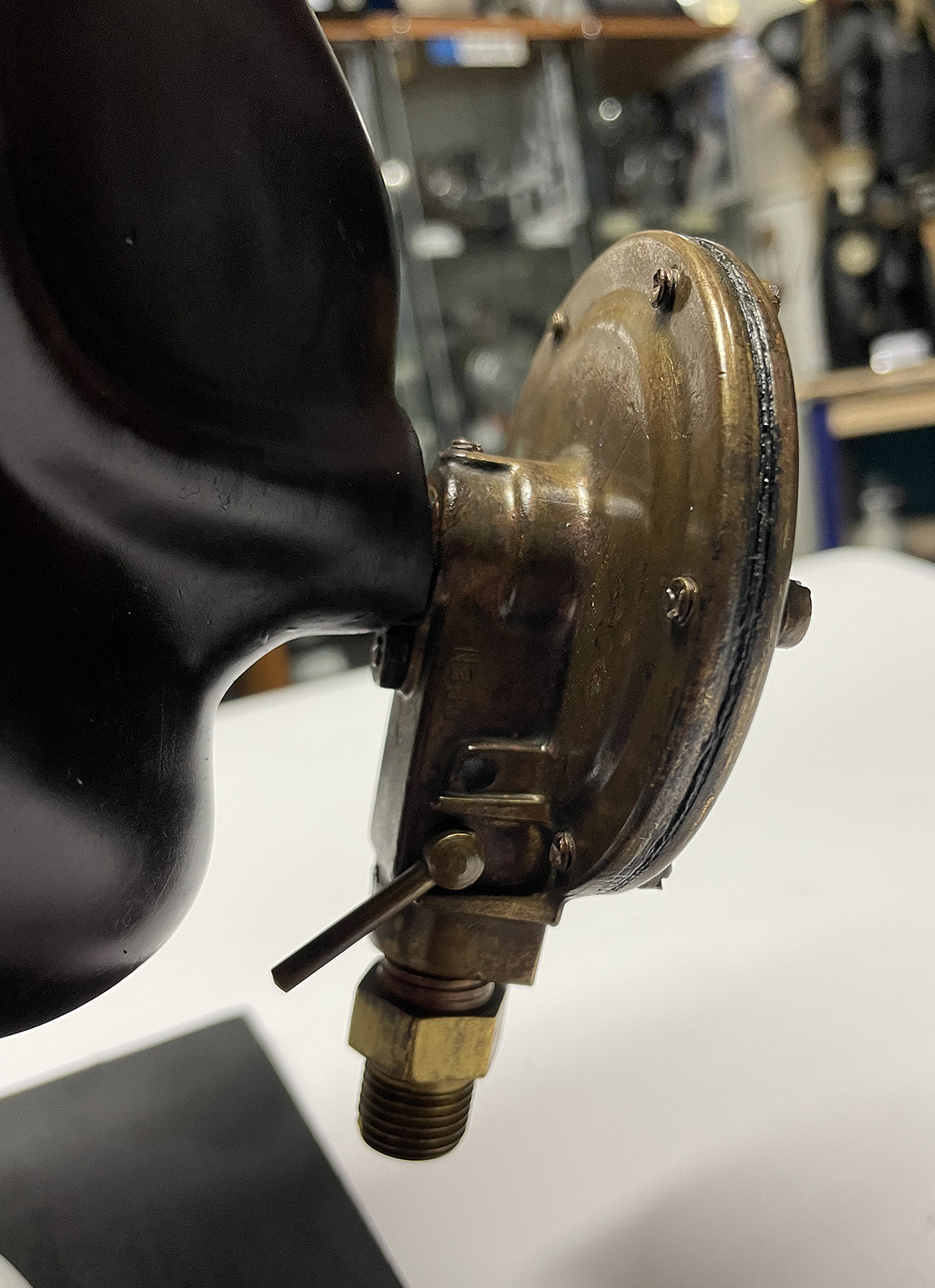
fig. 27
- Elimination of the air tank and its replacement with a rubber hose for the air feeding from the surface. This action was due to the unavailability of compressed air tanks of adequate volume (they would be produced several years later) but also for the need to maintain contact between the operator and the surface, as required by the safety regulations in force in those specific applications (to ensure the communication with the surface personnel and the recovery of the operator in case of emergency).
- Elimination of the buoyancy control bags. These were not considered necessary for operators constantly connected to the surface and, on the contrary, could be an obstacle during the operational phases.
- Elimination of the three positions switch. This device was no longer necessary given the elimination of the tank and of the buoyancy control bags.
- Addition of a filter element on the air supply line from the surface to clean the inlet gas coming from contaminated sources.
-
The Victor Berge's apparatus was not the only one developed and produced in those years for military purposes. Given the enormous need of support materials for the U.S. Navy especially during the war operations in the Pacific, in addition to the Ohio Rubber Company (ORCO), which was commissioned to produce this device, other companies were involved in the manufacturing of similar equipment. One such company was the Thompson Engineering Company (TECO) of Grand Rapids, MI. which developed an underwater breathing device starting from a gas mask (see figs. 28-29-30-31).
-
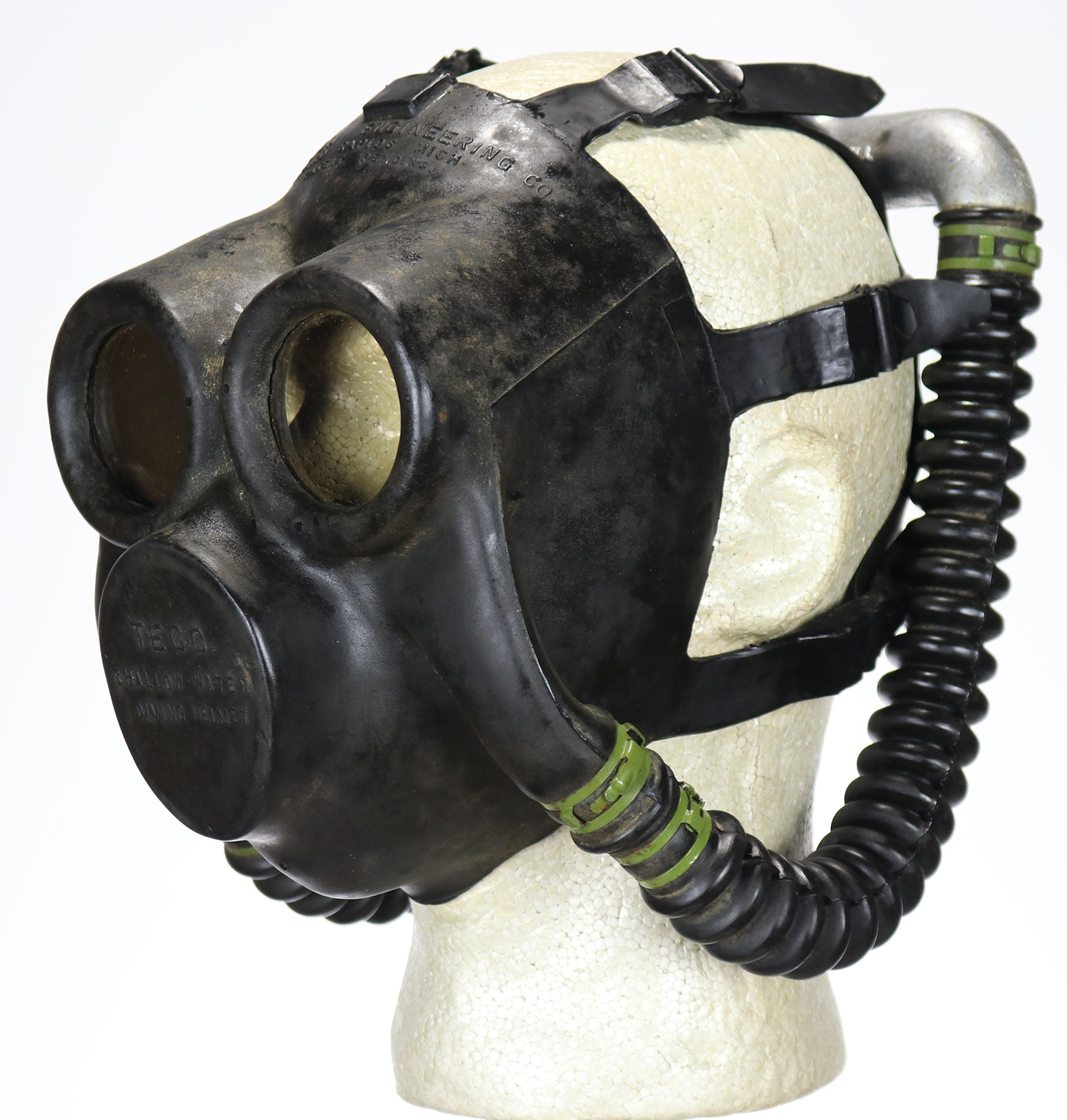
fig. 28
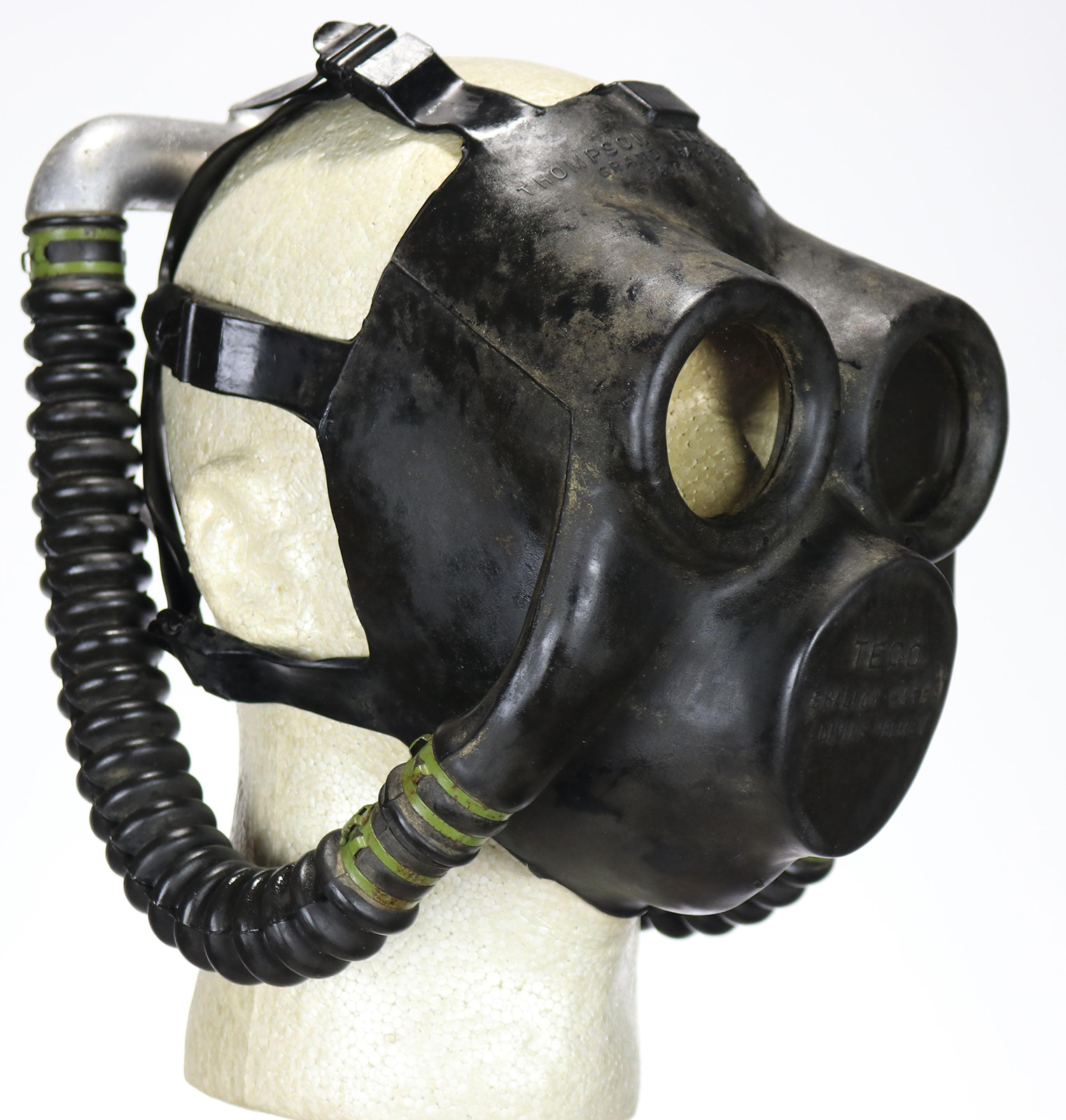
fig. 29
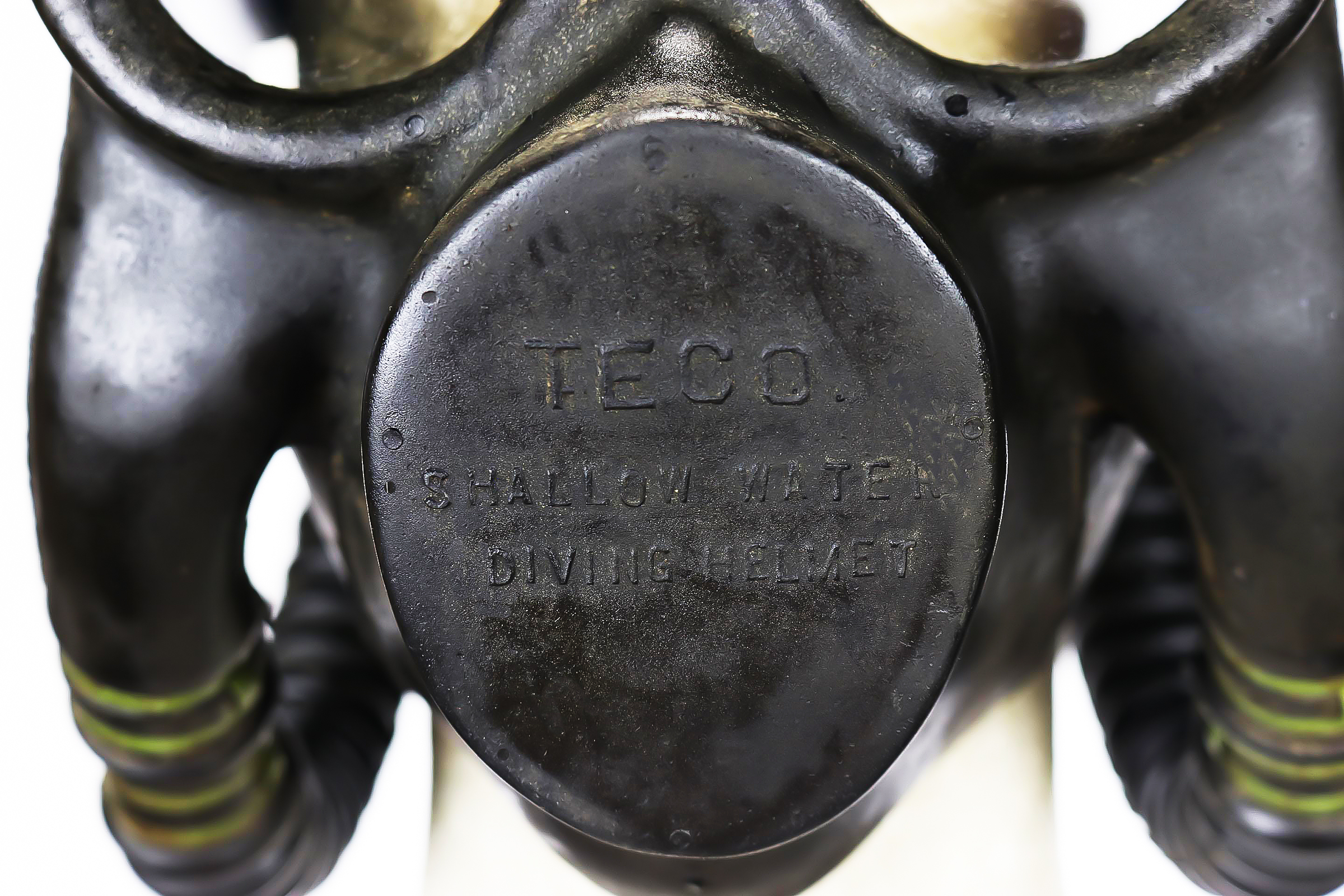
fig. 30
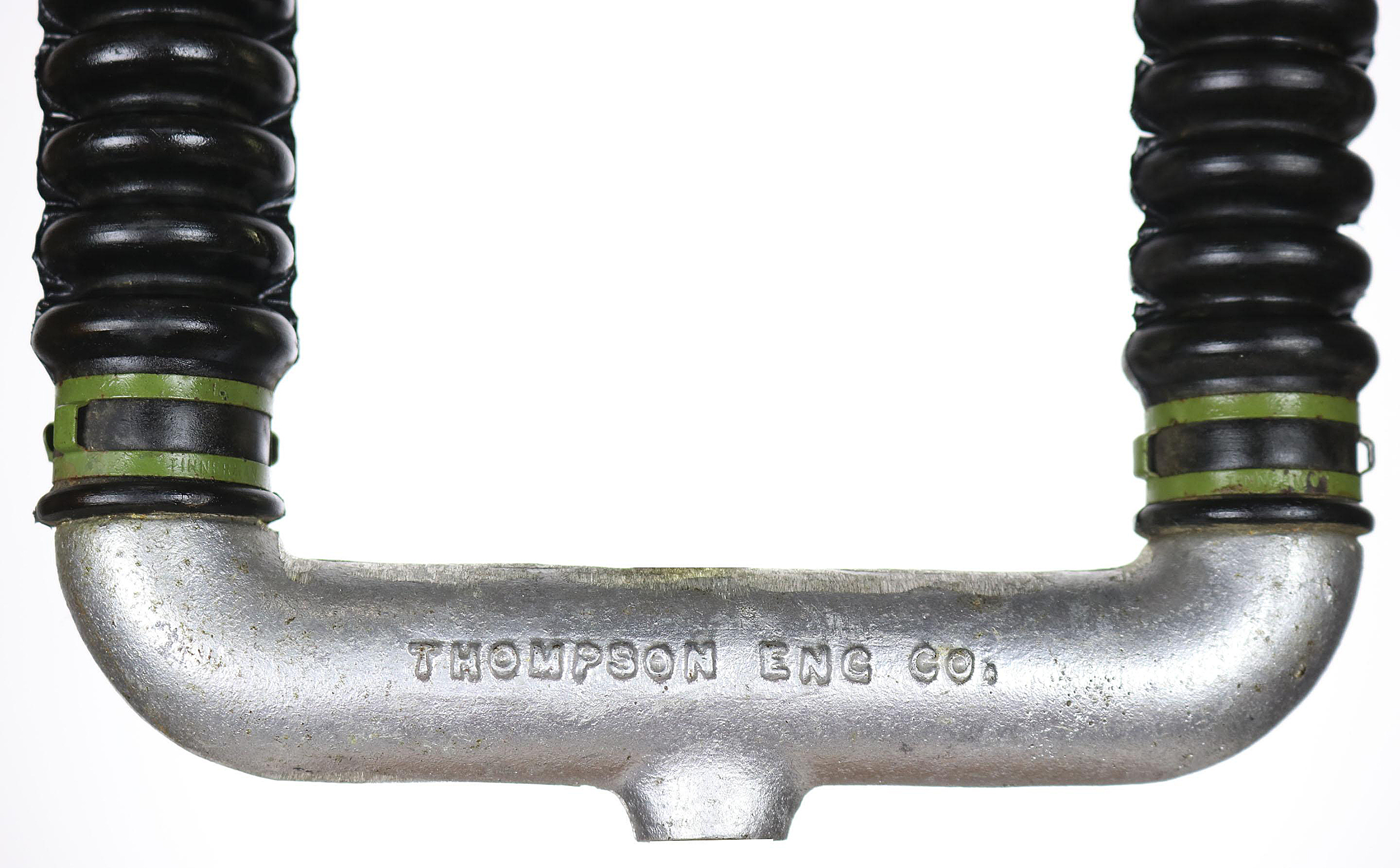
fig. 31
The other famous U.S. company that proposed its solution for this type of application was the Diving Equipment & Supply Company (DESCO), founded in 1937 in Milwaukee, Wisconsin by Max Nohl and Jack Browne. This company put into production the famous triangular mask identified by the name of the inventor and co-owner of the company, namely "Jack Browne Mask". This mask (see figs. 32-33-34-35), which ensured much greater visibility than the two previous models due to the large triangular glass, was widely used not only during the war period but also remained in production for many years after the end of the Second World War.
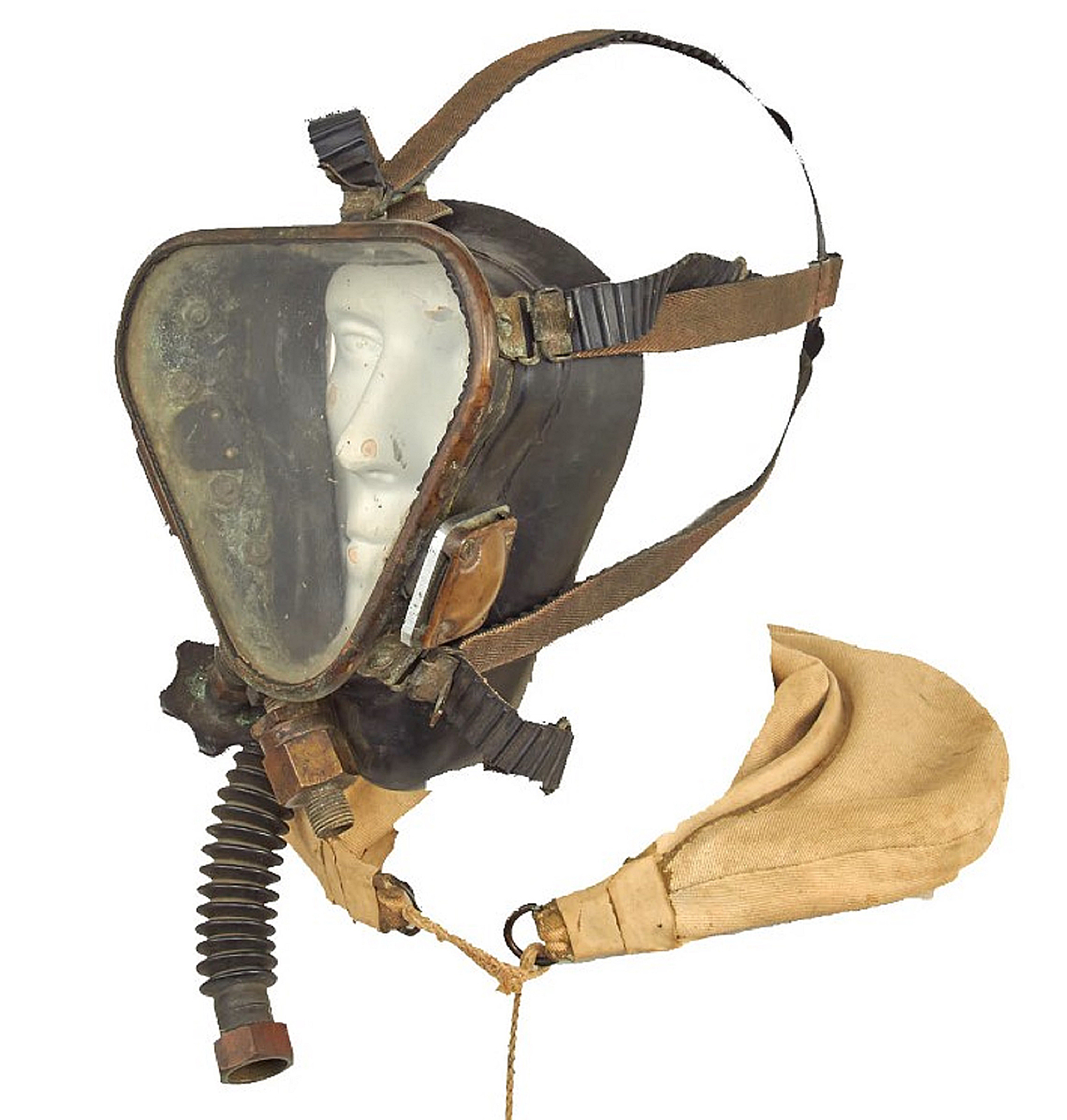
fig. 32
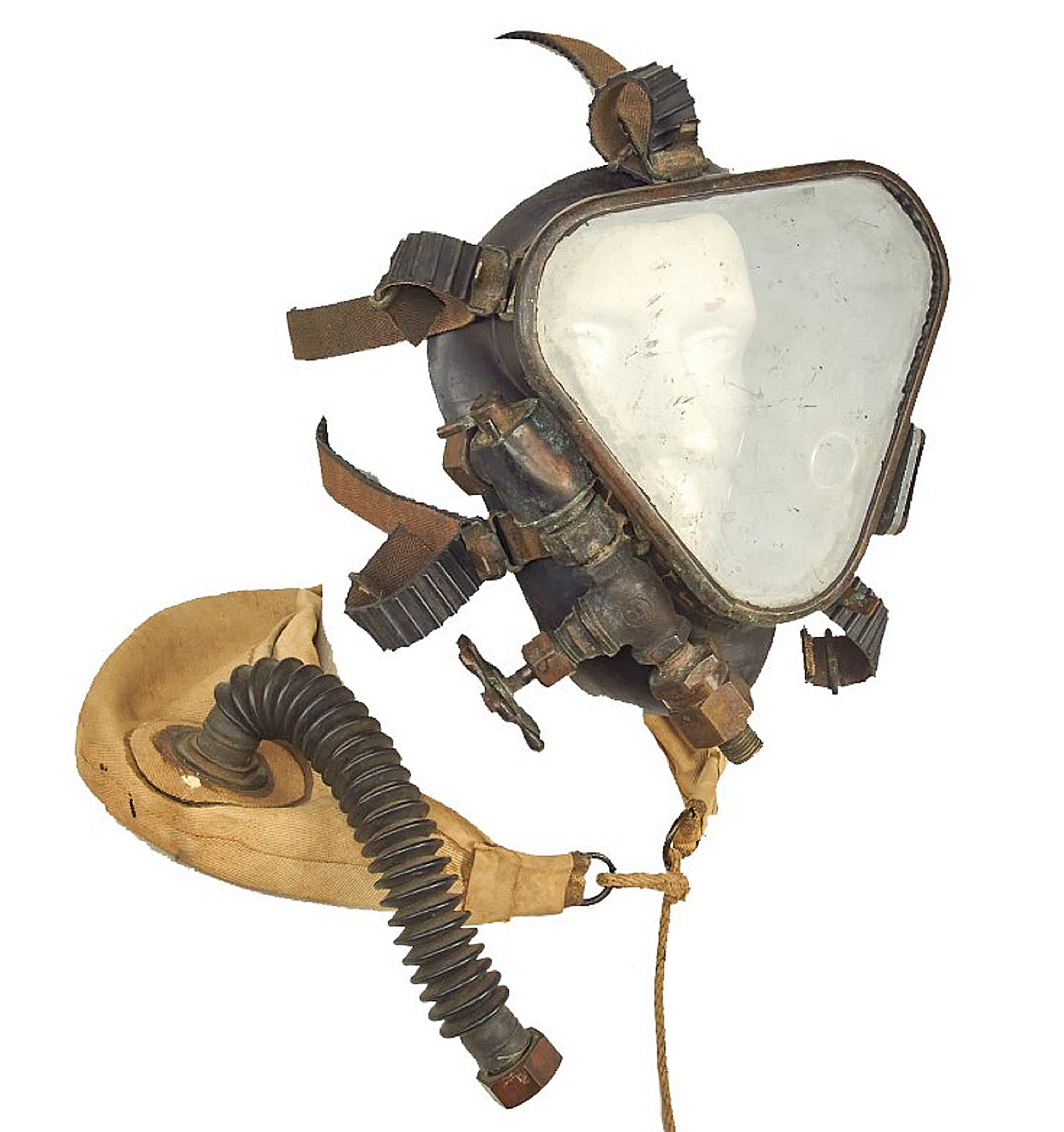
fid. 33
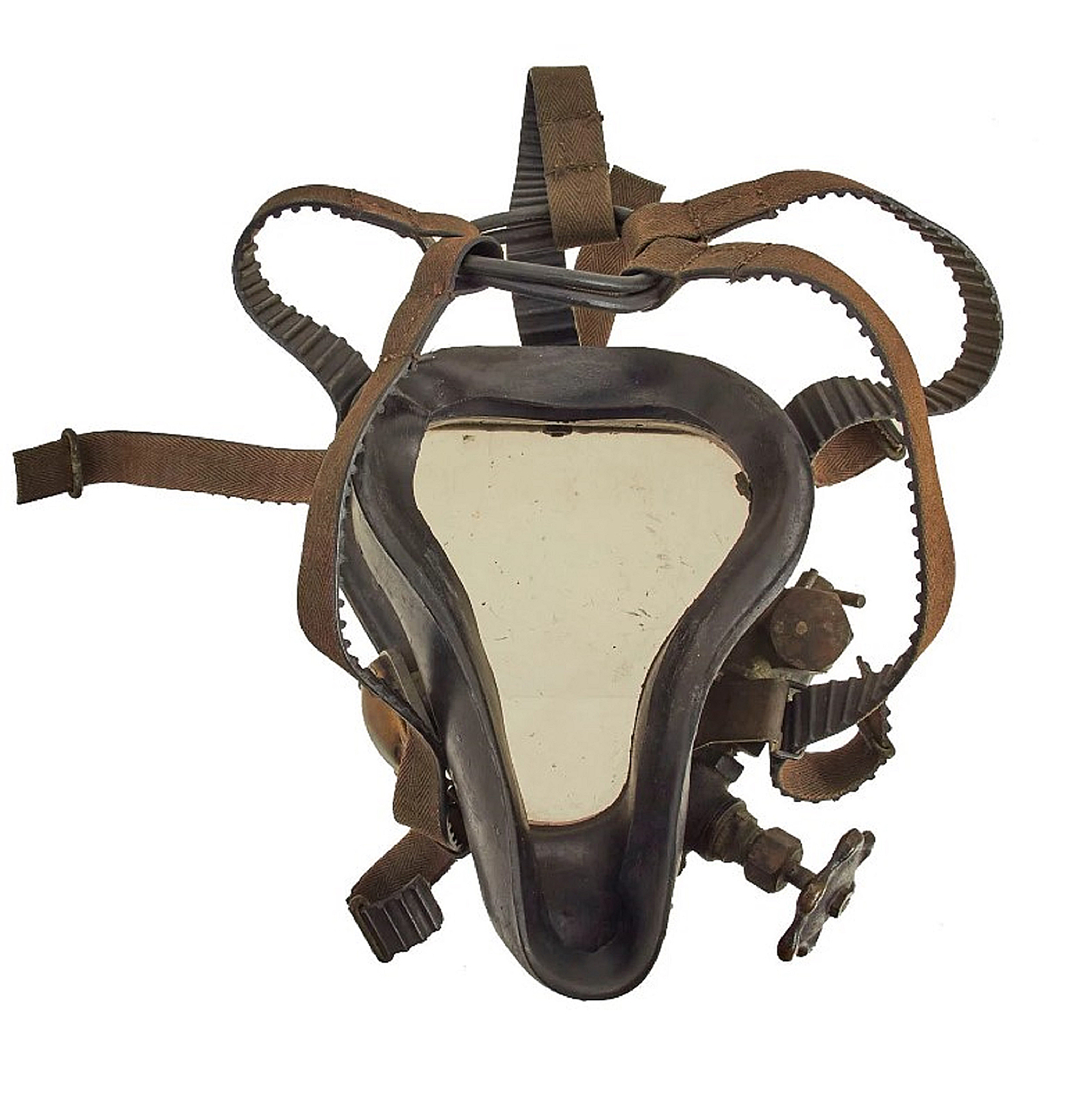
fig. 34
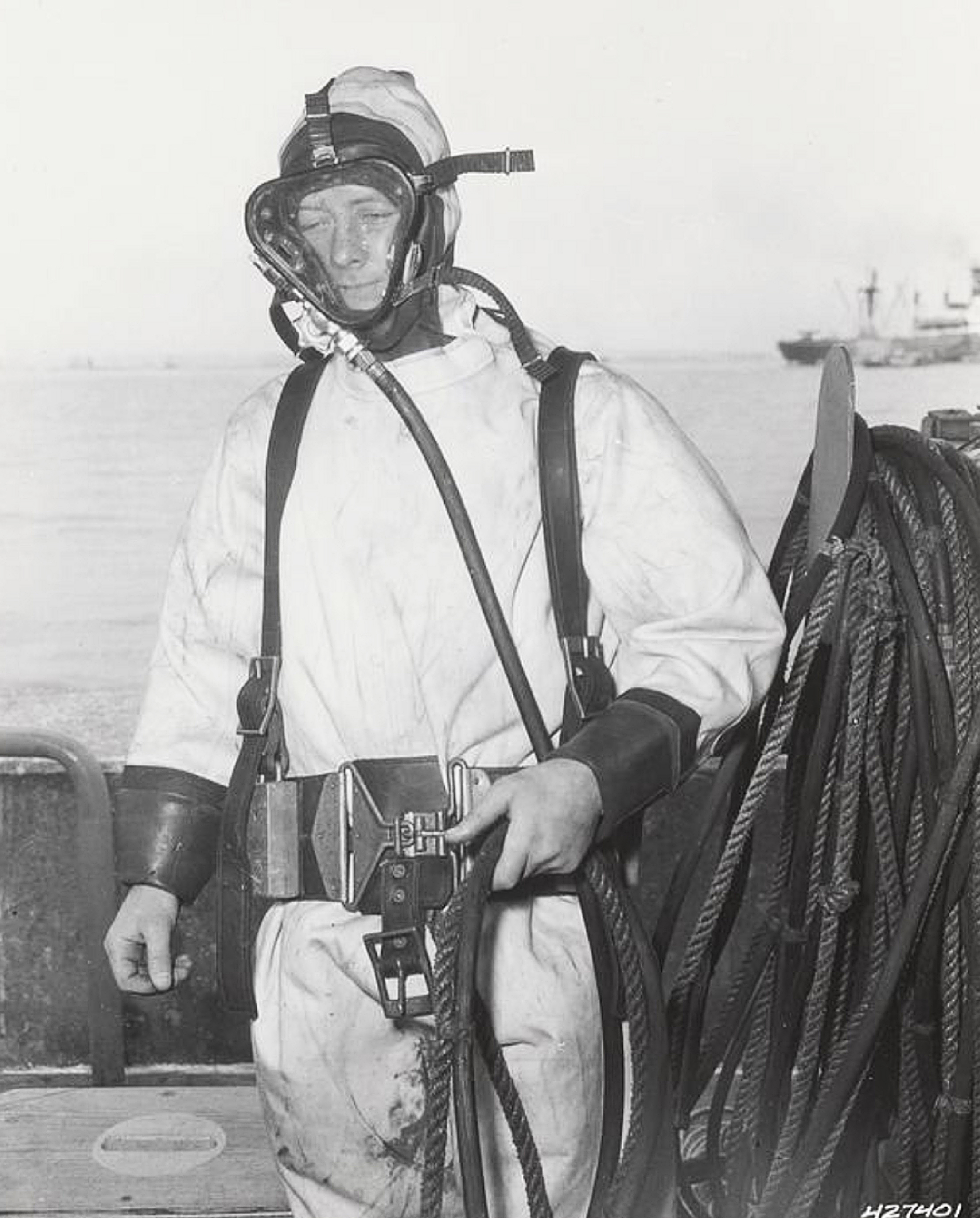
fig. 35
Let's now go back to the protagonist of this story, Victor Berge who, after returning to Indonesia to resume his activity as a pearl fisherman, suffered dramatically the consequences of the Japanese empire's entry into the war. Shortly after his arrival, the Japanese invaded the island of Java where Berge had already had to abandon his flotilla of pearl fishing boats, including the 35 new equipment that he had built shortly before in the USA, While trying to save himself and his family, was arrested by the Japanese on suspicion of being an American spy. And here begins the most difficult and dramatic phase of his life in the hands of the Kempei-Tai, a military organization similar to the German Gestapo.
________________
Here, shortly before his imminent death, came the order of release granted by the Japanese thanks to the intercession of the Swedish diplomatic corps.
A few years after, deeply physically marked by imprisonment, Berge finally returned to Sweden. He ended his earthly experience in Stockholm in 1974.